Performance expectations in industrial systems are continually increasing. Engineers now require tighter tolerances, quieter operation, longer-lasting service, and dependable motion control even under chemical and mechanical stresses. These growing standards compel manufacturers to reconsider their design, machining, and validation processes.
Global trends among leading plastic gear manufacturers reflect this shift toward precision engineering, advanced materials, and application-specific customization. Below are the most influential trends shaping the industry.
Material Innovation and Application Matching
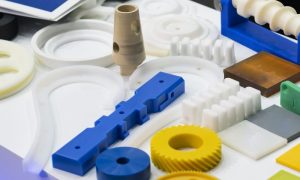
Material choice influences performance significantly. Engineers assess factors like load capacity, chemical resistance, moisture absorption, and temperature limits when selecting a resin. Different mechanical demands are met by materials such as nylon, acetal, UHMW, and high-performance thermoplastics.
Manufacturers now move beyond generic grades, tailoring resin properties to specific requirements such as torque, wear resistance, and stability. This targeted approach helps prevent early failures and extends component lifespans.
Precision Machining and Tight Tolerances
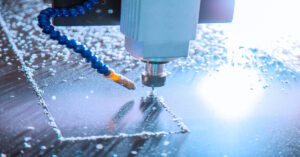
Precision machinery is essential in modern gear manufacturing. CNC machines enable manufacturers to achieve consistent tolerances, thereby reducing backlash and enhancing torque transfer. This controlled machining also promotes better tooth engagement and smoother operation.
Manufacturers fine-tune involute profiles and modify geometry to ensure even load distribution. Precise machining reduces vibrations and wear in gear trains. Engineers depend on this high level of precision for high-performance systems.
Design Adaptation for Automated Systems
Automation requires repeatability; therefore, gear components must maintain their precise dimensions under high-cycle use. Manufacturers create gear systems that fit well with robotic and sensor-equipped machinery.
Maintaining consistent tolerances helps with alignment and minimizes mechanical drift. Components are tested under simulated cycle loads to verify their durability over time. This process ensures dependable motion control in automated settings.
Chemical and Environmental Resistance
Many industries expose gear systems to corrosive substances. Water treatment plants, plating lines, and pharmaceutical facilities operate in chemically aggressive conditions. Manufacturers evaluate how materials respond to chlorinated water, acids, and cleaning agents.
Resin stability prevents swelling, cracking, and material degradation. Engineers prioritize chemical compatibility during design to extend service intervals and reduce maintenance disruptions.
Noise and Vibration Control
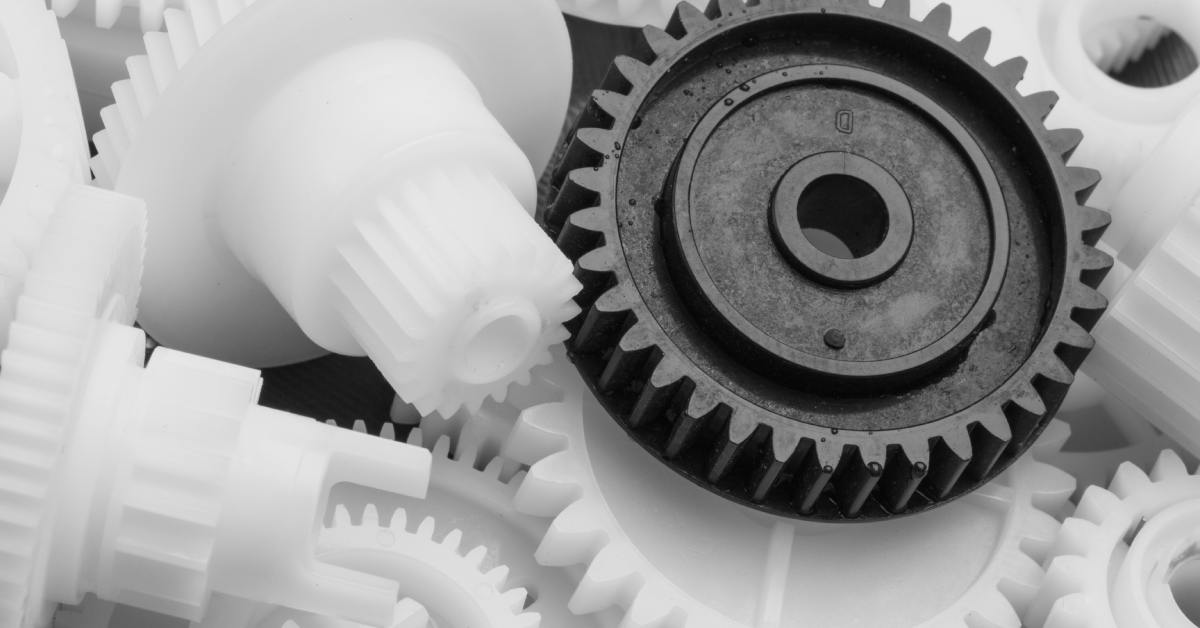
Industrial environments benefit from quieter mechanical systems. Manufacturers optimize tooth profiles and surface finishes to reduce operational vibration. Material selection also influences acoustic performance.
Thermoplastics naturally dampen sound better than metal alternatives. Engineers use this advantage to improve workplace conditions and system longevity.
Customization Over Standardization
Industrial buyers prefer tailored solutions over catalog components. Manufacturers collaborate with engineering teams to refine geometry and mounting features. Customization ensures the gear functions precisely within the larger mechanical assembly.
Key customization priorities include:
- Application-specific material selection
- Optimized tooth geometry
- Integrated hubs or keyways
- Tight mating tolerances
- Prototype validation before production
This collaborative approach improves overall system performance.
Digital Modeling and Simulation
Advanced design software now plays a central role in the development process. Engineers simulate load distribution, thermal expansion, and stress points before machining begins. Digital validation allows manufacturers to correct weaknesses early.
Simulation shortens development cycles and improves accuracy. Teams move into production with higher confidence in long-term durability.
Applying These Trends to Industrial Performance
As global trends among top plastic gear manufacturers evolve, engineering precision and material expertise remain key to long-term performance. Manufacturers focusing on customization, chemical resistance, and dimensional control set the reliability standard for demanding applications.
If your system requires high-performance Plastic gears built to match exact specifications, Miller Plastic Products Inc. provides precision machining expertise and material guidance tailored to industrial environments. Contact our team to discuss your application requirements and performance goals.