Achieving a precise fit in plastic fabrication demands attention to detail and a deep understanding of material properties. Without the right approach, components fail to align correctly, compromising the structural integrity and functionality of the final product.
Mastering precision-fitting techniques in plastic fabrication enables the production of durable, high-quality parts that meet exact specifications. The following methods outline how to handle materials and use proper tools to achieve accurate results.
Select the Right Material
The foundation of any successful fabrication project lies in material selection. Different plastics react uniquely to temperature, stress, and chemical exposure. For example, a material with a high coefficient of thermal expansion might change dimensions during machining, leading to an improper fit.
When shopping for materials, consider the following:
- Thermal Stability: Choose plastics that maintain their shape and size when exposed to heat generated during fabrication. Materials like PEEK and Ultem offer excellent thermal stability.
- Hardness and Rigidity: A harder material may allow for tighter tolerances, but it could also be more brittle. Balance rigidity with a slight degree of flexibility, depending on the application.
- Moisture Absorption: Some plastics, like Nylon, absorb moisture from the air, which can cause them to swell and alter their dimensions. Select a material with low moisture absorption for applications requiring consistent precision.
Use Precision Cutting and Machining
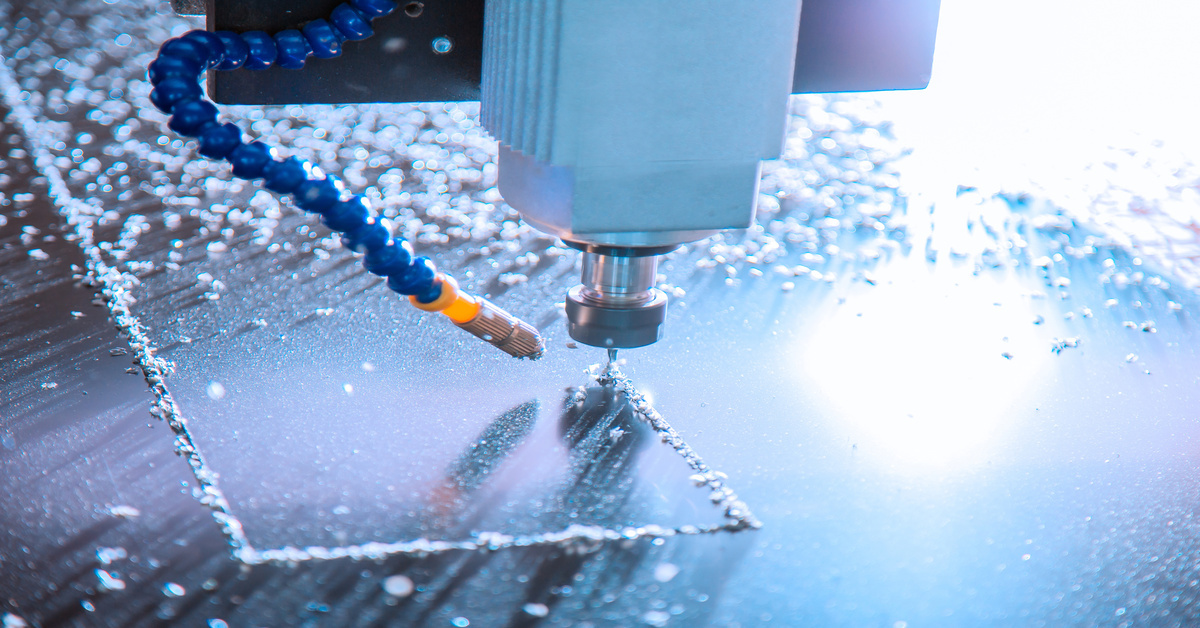
Once you have the right material, the next step is to cut it to the required size and shape. Modern CNC (Computer Numerical Control) machining offers unparalleled accuracy for creating complex geometries.
CNC Machining Best Practices
- Proper Tooling: Use sharp, high-quality cutting tools designed for plastics. Worn or incorrect tools can cause melting, burrs, or rough edges, all of which interfere with a proper fit.
- Optimal Speeds and Feeds: Calibrate the cutting speed and feed rate for the specific plastic you are using. Moving too fast can generate excess heat, while moving too slow can result in a poor surface finish.
- Secure Workholding: Firmly secure the plastic workpiece during machining. Any movement or vibration will introduce inaccuracies and ruin the precision of the cut.
Master Welding and Bonding Techniques
Joining plastic components demands skill and proper technique. Welding and bonding can create strong, seamless connections when done correctly. These precise methods are essential for reliable plastic fabrication. However, using poor techniques can lead to weak points and misalignments.
Joining Methods
Plastic Welding: This process uses heat to melt and fuse two plastic pieces. To achieve a secure fit, control the temperature and pressure. For instance, extrusion welding produces strong, continuous seams ideal for large fabrications such as tanks and liners.
Solvent and Adhesive Bonding: Bonding uses chemical agents to join plastic parts. Surface preparation is paramount here. Clean the surfaces thoroughly to remove any contaminants that might prevent a strong bond. Applying the right amount of adhesive prevents gaps and overflow, both of which affect the final fit.
Fine-Tune Your Fabrication Process
Achieving precision in plastic fabrication requires a systematic approach that combines material knowledge with advanced machining and joining techniques. For dependable, high-quality products built for demanding industrial applications, trust a leading custom plastic fabrication company. Contact Miller Plastics to see how our expertise in material selection, welding, and bonding can deliver the perfect parts for your project.