Choosing the right plastic tank can feel like navigating a maze, especially with the demands of industrial applications. Whether you work in water treatment, food processing, or military operations, you need a tank that can withstand pressure. A subpar tank can compromise safety, halt operations, and cost a fortune in the long run.
Knowing the key features of high-quality plastic tanks helps you make a better investment and avoid headaches down the line. Let’s break down what to look for to help you confidently select a durable, reliable, and well-built industrial tank tailored to your specific needs.
Superior Material Grade
The foundation of any durable plastic tank lies in the material used to build it. High-quality tanks often use high-density polyethylene (HDPE) or polypropylene (PP), but the grade of these materials makes all the difference. For demanding industrial settings, such as chemical plating lines or pharmaceutical processing, selecting a tank made from virgin, UV-stabilized resin prevents premature degradation.
Recycled or lower-grade materials can contain impurities that weaken the tank structure, leading to cracks and leaks over time. Always verify the material specifications to confirm you get a product built for longevity and safety. A tank made from superior materials not only lasts longer but also ensures compliance with industry standards, which is critical for applications involving hazardous chemicals or food-grade storage.

Consistent Wall Thickness
One of the most telling signs of a well-made plastic tank is its uniform wall thickness. In cheaper, rotationally-molded tanks, wall thickness can vary, with thinner spots in corners and other stress points. These inconsistencies create weak points that become susceptible to cracks and structural failure, especially when storing heavy liquids or operating in high-stress environments, such as on a fire truck.
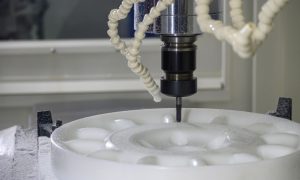
High-quality fabricated tanks are constructed with CNC-cut panels, ensuring uniform thickness throughout the structure. Such a design enhances strength and improves resistance to impacts and punctures. Tanks with even walls distribute pressure evenly, reducing bowing and extending their lifespan. This feature is essential in industries that store corrosive chemicals or high-temperature liquids, where structural weaknesses could lead to disasters.
High-Quality Welds
For fabricated plastic tanks, the quality of the welds holding the panels together is everything. Bad welds are a liability waiting to happen. High-quality tanks feature smooth, consistent, and full-penetration welds, often produced to rigorous standards.
You can often spot a quality weld by looking for:
- A smooth, even bead: A lumpy or uneven weld suggests inconsistent technique and potential weak spots.
- No discoloration: Overheating the plastic during welding can make it brittle.
- Absence of pinholes: Tiny holes indicate a weak seal that could lead to leaks.
Strong welds form a unified structure that can withstand continuous pressure and chemical contact without breaking. This is especially crucial for mobile uses, such as poly water tanks for trucks, which are subject to ongoing vibration and motion. Recognizing the features of top-tier plastic tanks makes it clear that weld integrity is essential.

Advanced Design and Engineering
Top-tier plastic tanks are carefully designed rather than just assembled. Modern manufacturers employ Finite Element Analysis (FEA) to simulate stress and pressures on the tank design before its construction. This digital testing enables engineers to identify potential weak spots and refine the design for optimal strength and minimal material usage.
FEA aids in identifying optimal positions for supports, baffles, and other structural elements to prevent issues like bowing and sloshing. For instance, in a fire truck’s tank, internal baffles are essential to control water movement during operation, helping to stabilize the vehicle. A tank designed with FEA will retain its shape and perform dependably under its intended conditions. This engineering approach ensures the tank surpasses the requirements of its application, giving operators confidence in its reliability.
Customization for Application-Specific Needs
A one-size-fits-all approach rarely works for complex industrial applications. High-quality tank manufacturers offer extensive customization options to meet your exact requirements. A custom-built tank ensures it fits perfectly into your available space and integrates seamlessly with your existing equipment.
Customization options may include:
- Fittings and Nozzles: Placing inlets, outlets, and drains exactly where you need them simplifies plumbing and improves workflow.
- Internal Baffles: As mentioned, these are important for mobile tanks to reduce liquid sloshing and improve vehicle stability.
- Lids and Covers: Secure, sealed lids protect contents from contamination and prevent hazardous fumes from escaping.
- Custom Shapes: Fabricated tanks can be built in L-shapes, T-shapes, or other configurations to maximize the use of tight or unconventional spaces.
Collaborating with a manufacturer who can tailor a tank to your specifications ensures you receive a product designed for your needs, rather than adjusting your processes to fit a standard tank. This degree of customization is particularly important in fields like agriculture, where tanks must conform to irregular spaces on equipment, or in chemical processing, where exact fittings are crucial for safety and effectiveness.
Durability and Longevity
Durability is a hallmark of high-quality plastic tanks. Tanks built with superior materials, consistent wall thickness, and high-quality welds are designed to withstand the test of time. They resist cracking, warping, and chemical degradation, even in harsh environments. Whether exposed to UV rays, extreme temperatures, or corrosive substances, a well-made tank will maintain its integrity and performance.
Longevity also leads to cost savings. Although a high-quality tank may cost more initially, its longer lifespan and lower maintenance requirements make it a more cost-effective option over time. In a durable tank means fewer replacements, less downtime, and greater operational efficiency.
Environmental Considerations
Sustainability is more important than ever. High-quality plastic tanks are often designed with environmental considerations in mind. Manufacturers can utilize recyclable materials and energy-efficient production methods to minimize their environmental impact, also known as their carbon footprint. Durable tanks that last longer also help produce less waste, supporting eco-friendly practices.
For industries focused on sustainability, selecting a tank from a manufacturer dedicated to eco-friendly practices can boost your company’s environmental reputation. This is especially important for sectors such as agriculture and water treatment, where environmental impact is under careful review.
Your Next Steps for a Better Tank
A plastic tank is more than just a container; it’s a component of your operational success. By focusing on material grade, wall thickness, weld quality, engineering design, and customization, you can distinguish between dependable tanks and those that may fail. Knowing the key features of high-quality plastic tanks ensures that you make an informed decision, benefiting your operations in the long term.
Investing in a high-quality, custom-fabricated tank from the start saves you time, money, and the stress of dealing with failures. Whether you need a tank for chemical storage, water treatment, or poly water tanks for trucks, our team has the experience to guide you through material selection and design. Reach out today for a quote.