Durability rarely stems from a single decision. It develops through a series of choices that shape how a component responds to stress, exposure, and repeated use. Many factors influence the durability of custom plastic parts, including materials, fabrication methods, and operating conditions. Yet long-term performance depends on how those elements interact. When each decision supports the next, plastic components maintain strength and dimensional stability over extended service periods.
Identifying these factors early enables engineers and procurement teams to choose reliable components from the outset, rather than responding to failures.
Material Properties Shape Long-Term Behavior
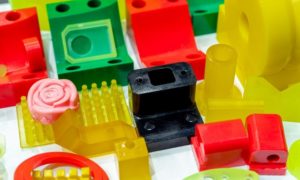
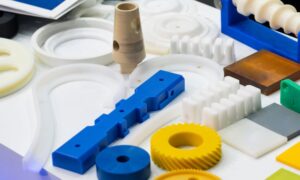
Material selection underpins durability, as different polymers respond differently to stress, heat, and chemicals. Polyethylene offers resistance to moisture and many chemicals, whereas polypropylene provides rigidity and good fatigue resistance under repeated loads. Fluoropolymers are suitable for harsh chemical environments and high temperatures, making them ideal for specialized uses.
Resin formulation impacts long-term performance: molecular weight influences impact strength and crack growth, while fillers and reinforcements alter stiffness and wear properties. When these material properties align with operational requirements, the components are better equipped to avoid deformation and surface damage over their service life.
Load Conditions Influence Wear and Fatigue
Mechanical forces fundamentally determine how stress propagates through a component. Static loads exert steady, continuous pressure, such as the weight of the structure itself or constant operational forces. In contrast, dynamic loads involve movement, vibrations, or sudden impacts that can cause fluctuating stress levels. When load distribution is uneven, stress concentrates in localized areas, accelerating material fatigue and surface wear over time.
Thoughtful geometric design addresses these issues by incorporating features such as rounded transitions, which distribute stress more evenly and reduce concentration points. Consistent wall thickness throughout a component also improves structural integrity and balance. By thoughtfully analyzing load paths and stress distributions during design, engineers can reduce the risk of fatigue damage, thereby extending the component’s lifespan and durability.
Environmental Exposure Alters Material Performance
Operating environments directly shape durability. Chemical exposure alters polymer structure over time, especially when compatibility receives limited consideration. In plating lines and water treatment systems, continuous chemical contact places added strain on surfaces, seams, and joints.
The temperature range introduces additional influence. Heat softens certain plastics, while cold conditions reduce impact resistance. Matching material performance ranges to environmental conditions prevents premature degradation and dimensional changes, supporting consistent operation.
Fabrication Practices Affect Structural Integrity
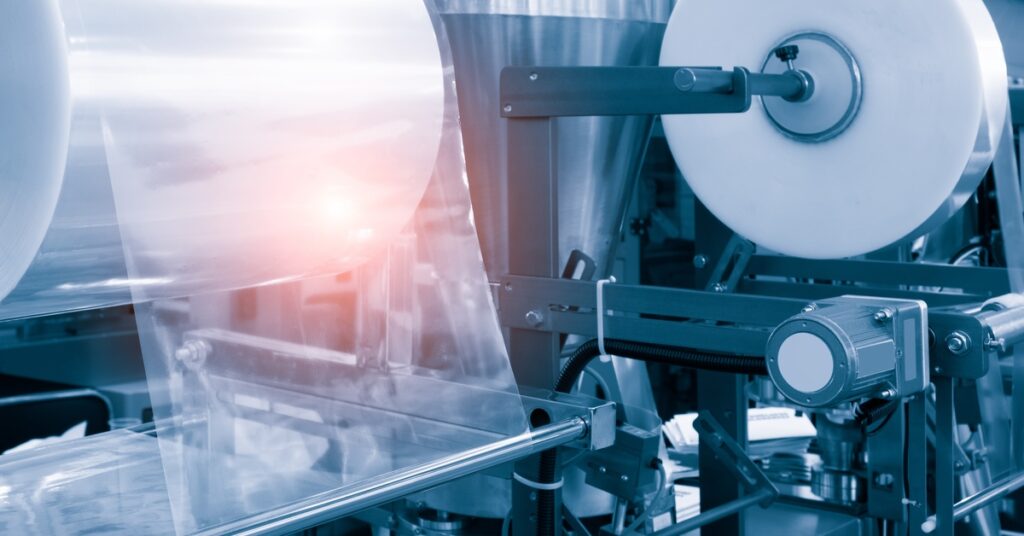
Fabrication methods influence durability beyond surface appearance. Machining introduces localized stresses that affect the internal structure. Clean tooling, controlled feeds, and consistent cutting practices limit micro-fractures that spread under repeated load.
Welding quality also shapes long-term strength. Proper joint preparation and controlled heat application support bonds that resist separation under service conditions. Fabrication discipline, therefore, strengthens structural integrity across demanding applications.
Precision and Tolerance Control Reduce Wear
Dimensional accuracy plays a crucial role in ensuring that components interact seamlessly with surrounding systems. Maintaining tight tolerances supports a consistent fit, which helps reduce friction, minimize unintended stress, and prevent premature wear during operation. Misalignment can accelerate component wear and generate forces that the original design never intended to withstand, leading to potential system failures.
Tight-tolerance machining and fabrication ensure each component meets precise specifications, supporting predictable performance. This high level of precision facilitates smooth integration into assemblies, where even minor dimensional variations can significantly shorten the service life of the entire system.
Application Demands Guide Design Alignment
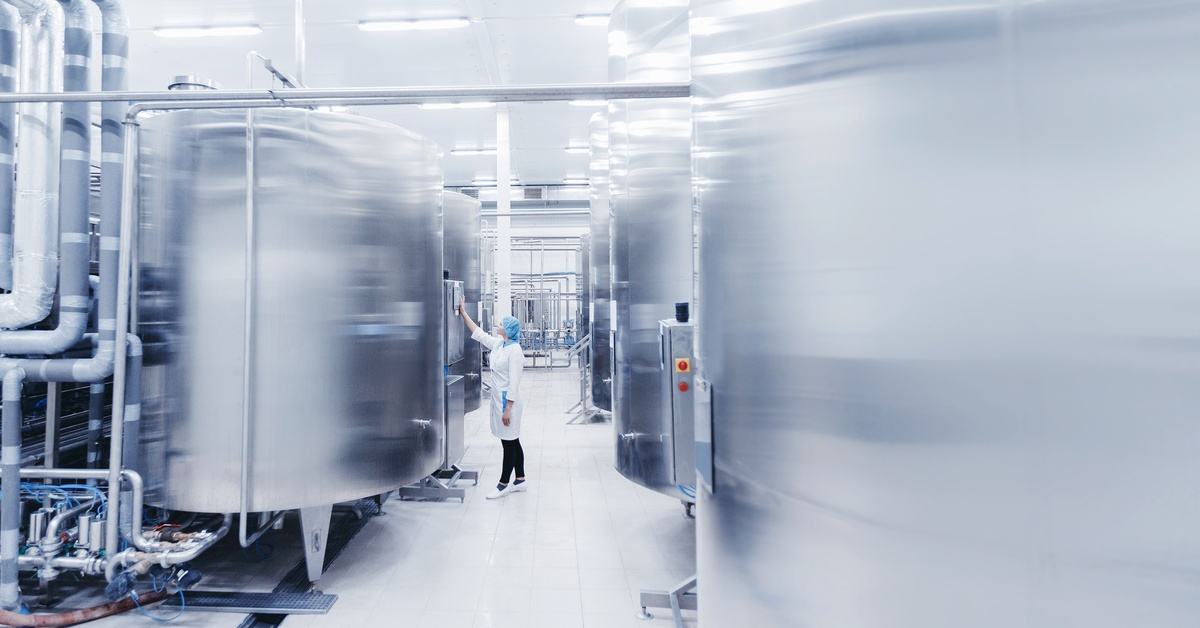
Each industry introduces distinct performance expectations. Water treatment systems expose components to constant flow and chemical contact. Food and pharmaceutical facilities require materials that maintain integrity during frequent cleaning cycles.
Within those environments, custom plastic parts support tanks, piping systems, and structural assemblies that are subjected to repeated mechanical and chemical stresses. When design decisions align with application requirements, components maintain performance over extended operating cycles.
Surface Finish Influences Friction and Wear
Surface condition greatly affects how components respond to friction and chemical exposure over time. Smooth, polished surfaces decrease abrasion when in contact with fluids or other parts, reducing wear. In contrast, rough surfaces tend to trap debris, which can speed up localized wear and cause surface damage degradation.
The choice of machining techniques also plays a crucial role in ensuring surface consistency. Selecting appropriate tools and controlling cutting parameters helps achieve finishes that are more wear-resistant during normal operation. Overall, surface quality is a key factor that directly impacts the long-term durability and performance of components.
Installation Practices Shape Early Performance
Installation exposes a component to its initial real-world stresses. Misalignment during assembly leads to uneven load distribution, speeding up wear early on. Over-tightening fasteners compress the material and creates stress points.
Clear installation instructions help uphold the design’s purpose. Using proper support and ensuring correct alignment during assembly maintain structural integrity and prevents early damage, thereby extending service life.
Maintenance Planning Supports Longevity
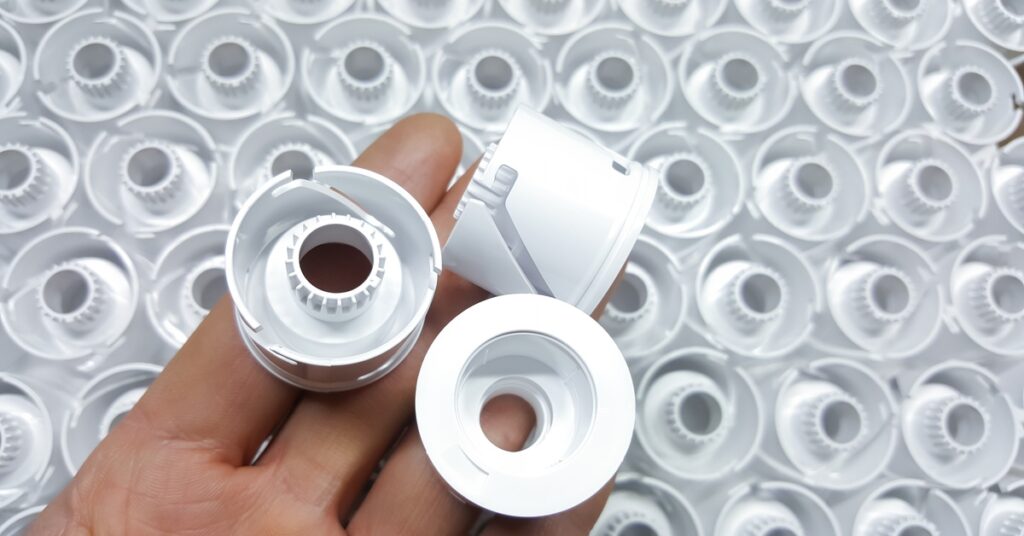
Plastic components typically require less maintenance than metal alternatives, but periodic inspection helps ensure longevity. Visual checks identify surface wear, deformation, or chemical attack before functional failure occurs.
Maintenance planning aligns with material behavior and operating conditions. Timely inspection and replacement reduce system disruption and protect surrounding equipment from secondary damage.
Manufacturing Consistency Reinforces Reliability
Consistency across production runs supports predictable performance. Variations in material quality, machining practices, or fabrication methods introduce weak points that shorten service life.
Quality control practices catch deviations before parts reach service. Repeatable processes support durability across applications where reliability carries operational weight.
Cost Decisions Influence Long-Term Outcomes
Initial cost often influences material and fabrication decisions. Lower-grade materials reduce upfront expense, yet increase replacement frequency and downtime. Evaluating long-term performance highlights the value of durable design.
Balancing cost with service expectations supports operational efficiency. Thoughtful investment reduces interruptions and extends component life across demanding environments.
Connecting Design Choices to Lasting Performance
Every design decision carries consequences. Material selection affects chemical resistance. Geometry shapes stress distribution. Fabrication quality influences internal strength. Those factors are connected by cause and effect; therefore, durability reflects their combined impact.
Clear communication among designers, fabricators, and end users supports alignment across those decisions. Shared understanding reduces assumptions that compromise performance.
Designing Plastic Components for Reliable Service Life
A long service life results from intentional decisions in material selection, design, and manufacturing. The factors that affect the durability of custom plastic parts demonstrate how each component contributes to steady performance in industrial environments. When these factors are aligned, plastic components enable dependable operation and enhanced long-term value within complex systems.