
Tooling quality shapes how a plastic part fits, functions, and holds up in service. A finished component may look simple, yet the tools behind it affect accuracy, surface finish, strength, and repeatability.
For industrial buyers, the impact of tooling quality on plastic part performance matters because a poorly made part can lead to fit issues, maintenance concerns, and a shorter service life.
That connection makes tooling one of the first areas to review when a part needs tight tolerance, clean finishes, and dependable performance.
Why Tooling Quality Matters
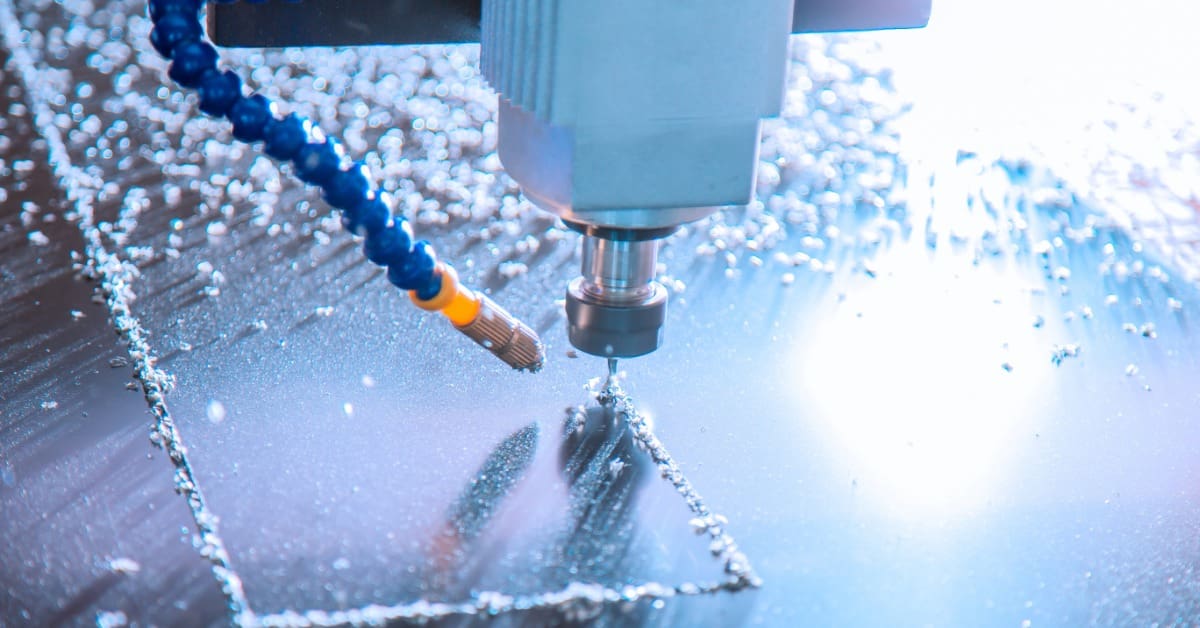
Tooling controls how a shop cuts, drills, routes, forms, and finishes plastic parts. Sharp, accurate tools help maintain dimensions and reduce surface defects. Poor tooling creates friction, heat, rough edges, and part variation.
Plastic behaves differently from metal during machining. Some materials chip under the wrong cutting conditions, while others soften or smear when heat builds. A skilled team matches the tool, speed, and process to the material.
That careful match helps protect the part’s intended function. It also helps the part fit correctly within the larger system in which it will operate.
Tooling Drives Dimensional Accuracy
Dimensional accuracy matters when a part needs to align with holes, seals, fasteners, tanks, piping, or nearby equipment. A slight variation may force field adjustments or create assembly problems.
Quality tooling helps the machinist hold tighter tolerances throughout the job. It also helps maintain consistency across repeat parts, which matters when a project requires multiple matching components.
Tool wear changes the cut over time. As a tool dulls, it may remove material less cleanly, generate more heat, or leave a rougher edge. Careful tool monitoring helps protect accuracy before small changes affect the finished part.
Material Behavior Shapes Tooling Choices
Each plastic material responds to machining in its own way. Rigid plastics may require tooling that limits edge chipping. Softer materials may need tooling that reduces grabbing or surface drag.
A reliable plastic products manufacturer reviews the material before production begins. That review should consider chemical exposure, temperature, load, thickness, and finish requirements.
Material choice and tooling choice work together. A strong material may fail to perform well if poor tooling damages it during production. The right tooling helps the material keep the properties that made it suitable for the application.
Surface Finish Affects Part Function
Surface finish does more than improve appearance. It can affect sealing, cleaning, fluid movement, and contact with other components. Tooling quality directly affects the surface condition.
A poor cut may leave chatter marks, burrs, scratches, or heat damage. Those flaws may create stress points or make the part harder to clean.
Different applications call for different finishes. A tank component may need a smooth edge for a better joint. A machined fixture may need a flat, controlled surface for accurate placement. Quality tooling helps the finished part meet those needs.
Heat Control Protects Plastic Parts
Heat buildup creates one of the most common machining challenges for plastic. Excess heat may soften the material, cause dimensional changes, smudge edges, or increase internal stress.
Sharp tools reduce friction during cutting. Proper tool geometry also helps move chips away from the work area, which helps prevent heat buildup near the cut.
Heat control matters after production as well. A part may look acceptable at inspection, yet internal stress may cause warping or cracking later. Better tooling decisions reduce that risk and support a longer part of life.
Repeatability Supports Production Consistency
Repeatability matters when a project requires several parts that need the same fit and performance. One accurate part has value, but a production run needs consistency from the first component to the last.
Quality tooling helps maintain the same dimensions, edge quality, and finish across repeated cuts. It also helps reduce scrap and rework, which can protect project timelines.
A shop with strong tooling practices can plan each step with greater control. That control gives buyers more confidence that each part will match the drawing and intended use.
Signs Tooling May Hurt Performance
Tooling problems may appear as small defects before they become larger performance concerns. Buyers and engineers should watch for issues that point back to poor tooling or poor process control.
Common warning signs include:
- Rough or uneven edges
- Inconsistent hole sizes
- Poor fit during assembly
- Visible chatter marks
- Burrs near cut areas
- Warping after machining
- Surface flaws near tight features
These issues may come from dull tools, poor fixturing, excess heat, or a mismatch between tooling and material. A qualified manufacturing partner can review the part design and process before production starts.
Tooling Quality Supports Better Fabrication
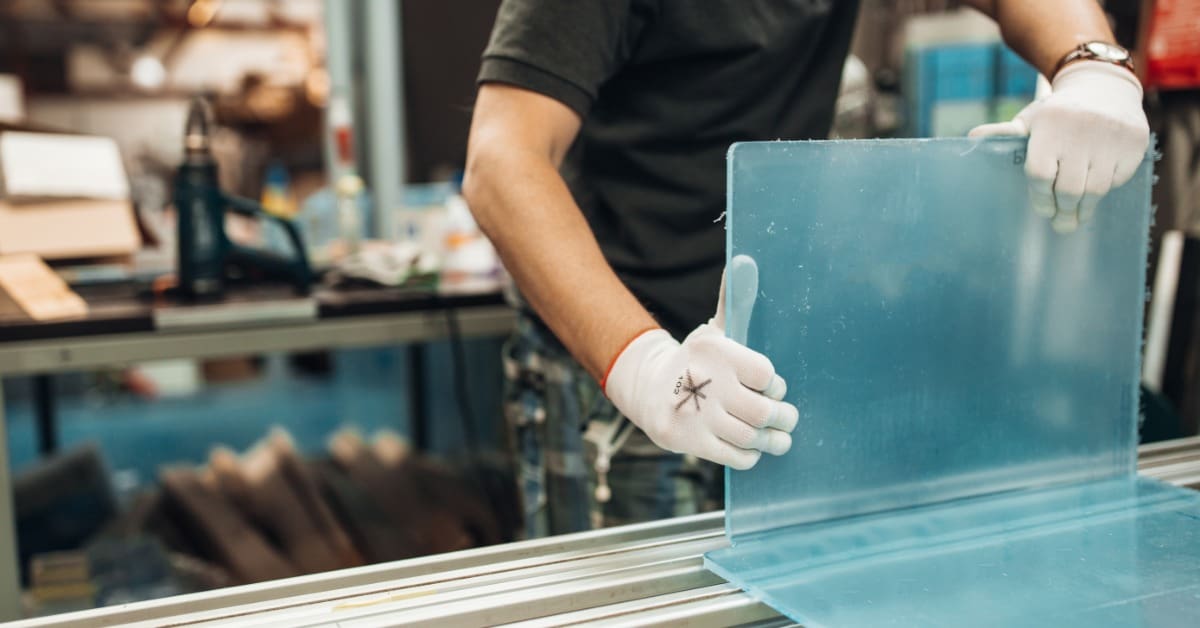
Plastic fabrication may involve machining, bending, welding, forming, bonding, and assembly. Each step depends on the accuracy of the previous step. A poorly machined edge may affect a weld, while an inaccurate hole pattern may slow final assembly.
Fabricated tanks, piping systems, guards, and custom parts need reliable tooling throughout production. Clean cuts and accurate layouts help components come together with less adjustment.
Good tooling also supports workmanship. Parts that fit as planned help the final assembly perform as intended.
Planning Improves the Finished Part
Strong parts start with clear project details. Drawings, tolerances, material requirements, and operating conditions help the manufacturer choose the right tooling strategy.
Buyers can support the process by sharing how the part will function. Chemical exposure, fluid contact, temperature, load, cleaning needs, and mating components all affect tooling decisions.
A few practical questions can help guide the conversation:
- Which material suits this application?
- What tolerance range does the part require?
- How will the shop manage heat during machining?
- What surface finish does the part need?
- Which drawing details will help production?
Clear answers reduce guesswork and help the manufacturer build a part that matches the application.
Better Tooling Builds Better Long-Term Value
Low-quality tooling may seem less costly at first, yet it can lead to higher costs from scrap, rework, downtime, or early replacement. Better tooling supports accuracy throughout production and helps the finished part deliver stronger value over time.
Custom plastic parts used in tanks, piping, chemical handling, and equipment assemblies need dependable performance. That performance starts with the right material, sound tooling choices, and skilled production.
As buyers compare options for custom components, the impact of tooling quality on plastic part performance deserves close attention. Miller Plastic Products Inc. brings plastic machining and fabrication knowledge to customers who need parts built for demanding industrial use.