
Plastic molding technology has undergone transformative changes since its inception in the late 19th century. The shift from basic manual equipment to fully automated, AI-integrated systems has reshaped industrial production, significantly enhancing the scope, efficiency, and complexity of plastic applications across diverse sectors.
The evolution of plastic molding technology represents a cornerstone of modern manufacturing. This post outlines its journey, from rudimentary beginnings to cutting-edge advancements in innovative production, showcasing how each phase of development brought us closer to the sophisticated techniques we see today.
Early Foundations: The First Injection Molding Machine
The journey of plastic molding began in 1872 with the invention of the first injection molding machine by John and Isaiah Hyatt. This rudimentary apparatus used a plunger system to force heated plastic into molds. At that stage, production was limited to simple items like buttons and combs. Despite its limitations, this innovation laid the foundation for one of the most versatile manufacturing processes.
The turn of the century introduced improvements in thermoplastic materials, such as less flammable cellulose acetate in the 1900s and Bakelite in 1907, the first fully synthetic plastic. These advances enabled broader application while meeting industrial safety requirements.
Advancements in Design: The Screw Injection Molding Machine
By the mid-20th century, the need for higher control over the molding process influenced significant advancements. In 1946, James Watson Hendry developed the first screw injection molding machine. Unlike its predecessor, which relied on a simpler plunger system, the screw design allowed for superior mixing, heating, and injection control.
This breakthrough enabled manufacturers to create more precise and complex products, which expanded the applicability of plastic molding technology. Industries such as automotive and consumer electronics began adopting these methods to produce intricate, functional components.
The Rise of Gas-Assisted Injection Molding
The 1970s marked another pivotal moment with the introduction of gas-assisted injection molding. This new approach enabled the production of larger, more complex hollow items, such as plastic tanks and automotive parts. By using pressurized gas to create voids within molded pieces, manufacturers significantly reduced material usage while maintaining structural integrity.
This innovation proved especially beneficial for industries that need lightweight yet robust components, showing the evolution and versatility of plastic molding technology.
Introduction of Lightweight Aluminum Molds in the 1990s
Traditional steel molds, while durable, posed challenges in terms of cost and adaptability. The 1990s saw a shift to aluminum molds for specific applications. This was a cost-effective solution for smaller production runs and prototypes, offering quicker turnaround times without sacrificing quality. The use of aluminum molds reflected the industry’s continuous effort to optimize cost-efficiency alongside technical capability.
Industry 4.0 and the Integration of Smarter Systems
The onset of the 21st century revolutionized manufacturing through the integration of Industry 4.0 principles, which involve the use of smart technologies to enhance precision, efficiency, and flexibility. Modern injection molding machines now combine AI, real-time monitoring, and robotics to optimize performance.
For instance, adaptive control systems dynamically adjust variables such as injection pressure and cooling times based on real-time feedback. These more innovative systems have enabled manufacturers to achieve unprecedented accuracy and reproducibility, providing solutions for highly demanding applications, such as those in aerospace and healthcare.
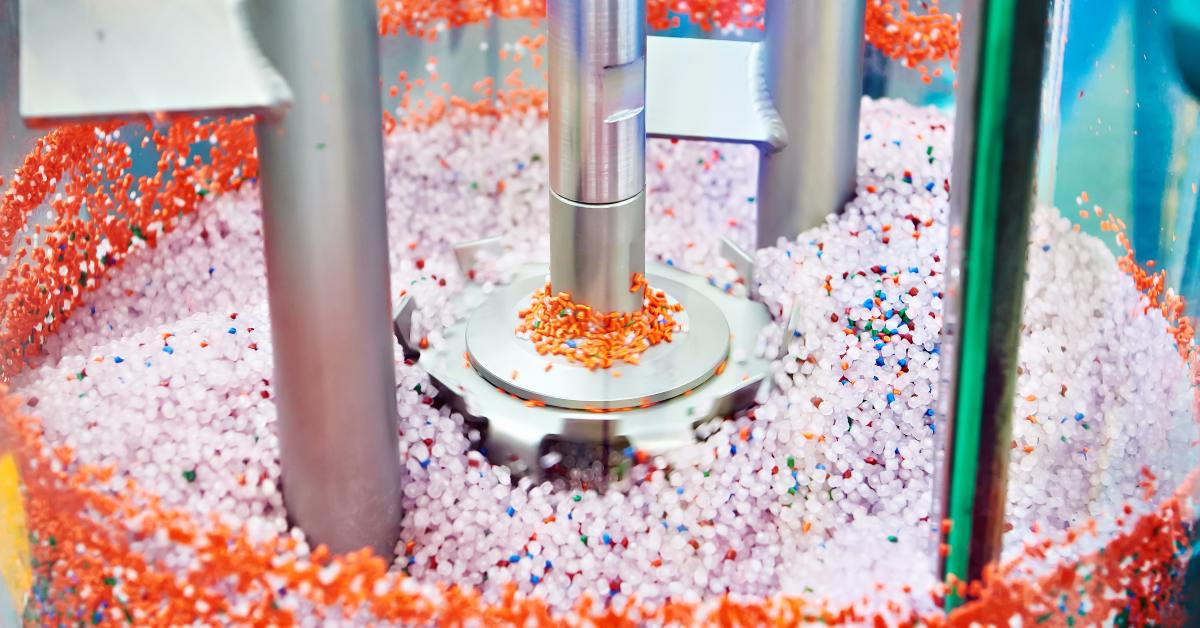
Key Benefits of Advanced Plastic Molding Technologies
The developments in molding technologies have led to substantial benefits that resonate across industries, including:
- Enhanced Precision: Modern screw-injection machines ensure consistent, accurate production, which is crucial in fields such as pharmaceuticals and electronics.
- Reduced Material Waste: Technologies such as gas-assisted molding reduce material use, effectively lowering production costs.
- Automation and Speed: AI-driven systems enable faster and more efficient manufacturing without compromising quality.
- Sustainability Goals: Innovations continue to strive to minimize environmental impact through energy-efficient processes and recyclable materials.
These advancements in manufacturing technologies redefine efficiency and precision while aligning with the growing demand for environmentally conscious production methods.
As industries evolve, integrating such innovations will be critical to meeting both market needs and global sustainability targets. Looking ahead, future developments will undoubtedly push the boundaries of what is achievable in modern manufacturing.
How Plastic Molding Impacts Different Industries
Plastic molding technologies offer tremendous design flexibility, providing solutions tailored to the distinct needs of industries such as aerospace, military applications, and food processing. Here are some applications:
- Pharmaceuticals: Medical-grade plastics demand precise molding for safety equipment, surgical instruments, and packaging.
- Food Industry: High-durability plastics are essential for creating hygienic, easily cleanable storage systems.
- Military Applications: Lightweight yet rugged materials are indispensable in defense equipment.
Each technological leap helps address these specialized demands, underscoring the adaptability and far-reaching impact of mold-based production.

Future of Plastic Molding Technology
Looking beyond current advancements, emerging technologies such as biodegradable materials and energy-efficient processes are set to define the industry's future trajectory. Biodegradable materials aim to reduce environmental impact by offering sustainable alternatives to traditional plastics, while energy-efficient processes aim to minimize resource consumption and carbon emissions during manufacturing.
Combined with developments in 3D printing, which enables rapid prototyping and cost-effective production, and breakthroughs in material science, such as lightweight composites and high-strength alloys, the ability to customize parts for unique applications will likely grow even further. This shift enhances performance and opens doors to innovative solutions across industries, from healthcare to aerospace.
Advancements in Automation and Robotics
The integration of advanced automation and robotics is transforming manufacturing processes. Automated systems and industrial robots minimize human error, boost efficiency, and operate continuously, increasing productivity. Advances in artificial intelligence further enhance these systems, enabling them to adapt, optimize workflows, and perform complex tasks with precision. This progress is shaping a smarter, more efficient manufacturing landscape.
Emerging trends are set to redefine the custom parts industry. Artificial intelligence and machine learning will improve efficiency and quality control through predictive maintenance, real-time analytics, and intelligent automation. Internet of Things (IoT) technologies will enable interconnected systems and data-driven decision-making, creating more adaptive production environments. Digital twin technology will optimize performance, reduce downtime, and streamline development by mirroring physical systems in virtual models. Together, these advancements are driving a more interconnected, efficient, and sustainable industrial future.
Partner with Experts in Custom Plastic Molding
As a plastic products manufacturer, Miller Plastic Products has remained at the forefront of these technological advancements. Building on a 50-year legacy of precision and innovation, our team is equipped to meet the industry’s most demanding requirements.
From traditional injection molding to advanced CNC machining, we utilize a broad range of technologies to produce custom plastic components that highlight precision, durability, and functionality. If your project requires tailored solutions crafted with exceptional expertise, partner with Miller Plastic Products to bring your vision to reality.