
Industrial facilities don't always have enough room to accommodate standard storage tanks. Existing piping and production equipment can limit installation options, especially when a facility needs to replace an aging tank without disrupting its current layout. Choosing the right plastic tank configurations for space-conscious facilities can help engineers address these restrictions while meeting their storage requirements.
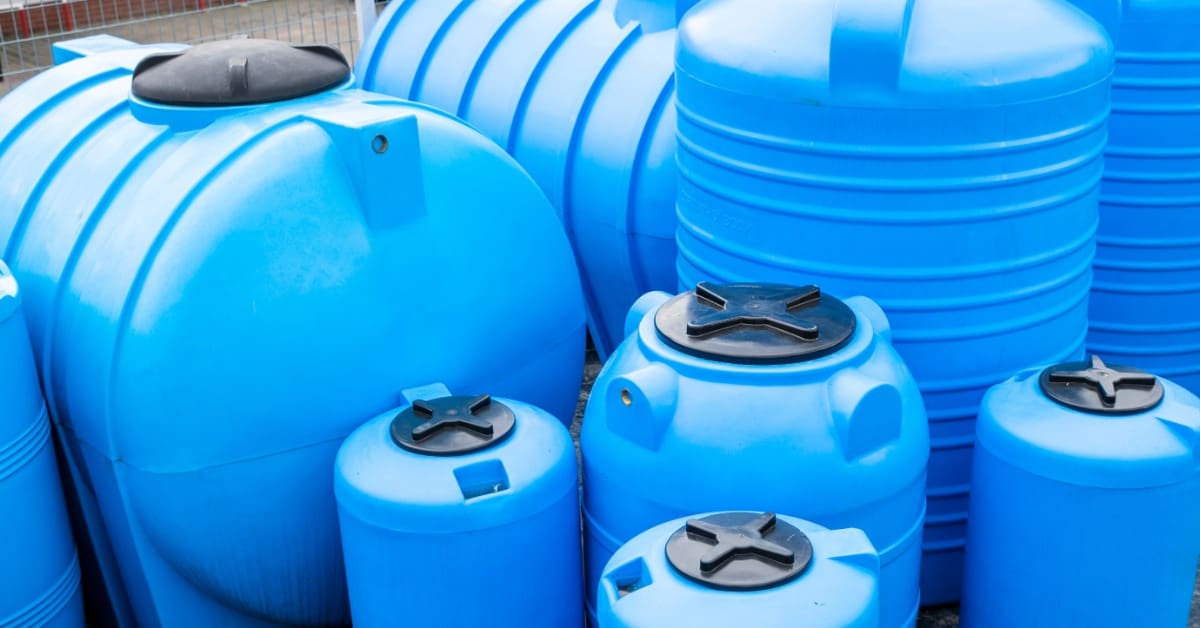
Tank shape and dimensions influence how a vessel fits into an existing operation. A vertical tank may save floor space, while a rectangular design can fit in areas with limited overhead clearance. Understanding these differences helps facility managers evaluate options before moving forward with a new installation.
Why Tank Configuration Matters in Limited Spaces
Every industrial facility has different space limitations, and the available installation area often influences tank design. Narrow equipment aisles or nearby machinery can limit where a tank fits, especially when facilities must maintain existing production layouts.
Tank configuration also affects how operators access equipment during routine inspections. A vessel may fit within the available footprint but still create problems if workers can't reach its connections or access openings.
Before selecting a configuration, engineers should evaluate the installation area alongside the required storage capacity. These measurements help determine which tank shapes can accommodate the application without interfering with surrounding equipment.
Vertical Plastic Tanks for Smaller Footprints
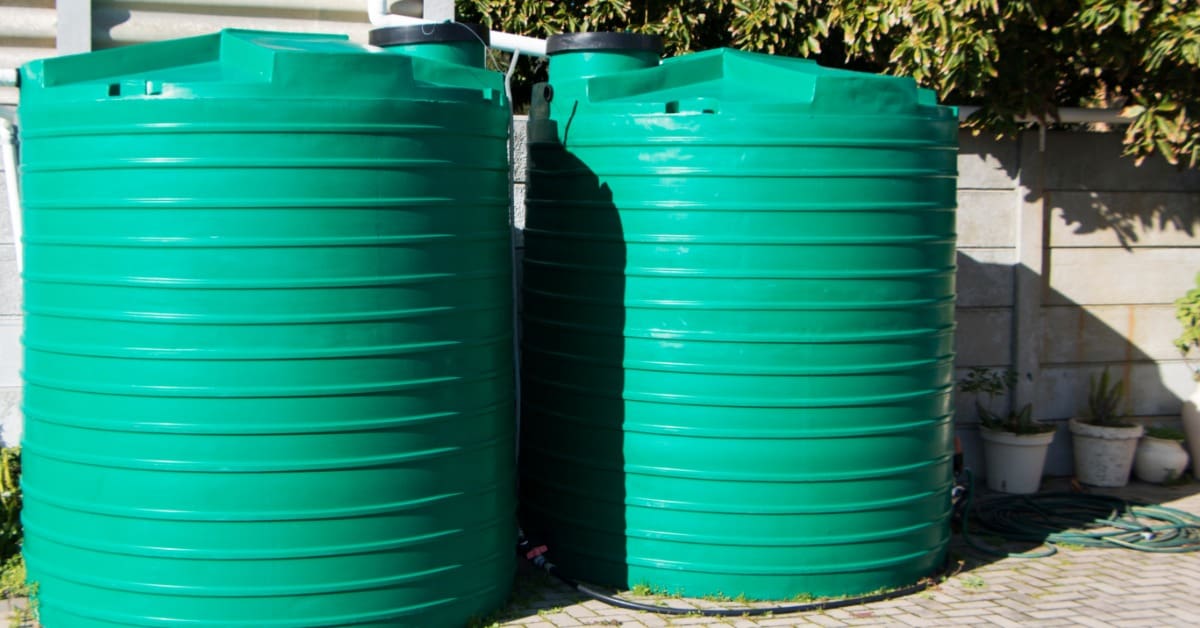
Vertical tanks offer a practical configuration when floor space is limited but overhead clearance is sufficient. Their upright orientation lets facilities store more volume in a relatively compact footprint.
However, tank height influences more than placement. Engineers must account for overhead piping and access requirements, particularly when fittings extend beyond the tank's upper surface.
The supporting floor must also accommodate the tank's operating weight, including the liquid it contains. Depending on the application, the tank's height and dimensions may influence structural support requirements.
Vertical configurations often work well when facilities have adequate ceiling height and need to preserve floor space for nearby operations.
Rectangular Tanks for Efficient Space Utilization
Facilities with limited overhead clearance may benefit from rectangular tanks that make better use of available width. Their straight sides can accommodate installation areas where cylindrical tanks would leave unused space between the vessel and surrounding equipment.
Rectangular configurations can also fit along walls or within designated equipment areas, allowing engineers to work around existing facility dimensions.
However, tank geometry influences structural requirements. Unlike cylindrical tanks, rectangular vessels have flat walls that can flex under pressure from stored liquids. As tank dimensions increase, manufacturers must evaluate wall thickness and reinforcement requirements to maintain structural stability.
These considerations matter most when facilities need tall, narrow rectangular tanks that fit restricted floor space.
Custom Tank Shapes for Irregular Installation Areas
Standard tank configurations won't accommodate every industrial layout. Structural columns and existing machinery can create installation areas with unusual dimensions, making it difficult to position conventional tank shapes.
Custom plastic fabrication allows manufacturers to design tank dimensions around these physical constraints. For example, a facility may require a narrower vessel to accommodate nearby equipment while maintaining the required storage volume.
When evaluating plastic tank configurations for space-conscious operations, engineers should consider how a custom design might address limitations that standard tanks can't accommodate.
However, unusual dimensions can introduce structural challenges. Manufacturers must evaluate the tank's geometry and operating conditions before determining which configuration will support the intended application.
Planning Tank Capacity Around Available Space
Storage capacity remains an important consideration when selecting a tank, but the available installation area can influence how manufacturers achieve that volume.
A facility may have enough floor space for a tank's footprint but lack the clearance needed for its overall height. In other cases, surrounding equipment may restrict the tank's width, requiring engineers to evaluate alternative dimensions.
Before finalizing a configuration, facilities should review several measurements:
- Required storage volume: Determine how much liquid the tank must accommodate during normal operation.
- Available dimensions: Measure the installation area's usable width and height.
- Connection requirements: Identify where piping must enter or exit the vessel.
- Installation access: Confirm that the tank can move through available entrances and equipment aisles.
These details provide a starting point for determining which configurations can meet storage requirements within the available space.
Integrating Tank Connections Into Existing Layouts
Connection placement can influence tank positioning, especially when facilities have limited flexibility to modify existing piping. Inlet and outlet locations should be factored into the initial tank design. Custom fabrication allows manufacturers to account for these requirements when determining the vessel's dimensions.
For example, placing a connection near an existing pipe may reduce the need for extensive piping modifications. However, engineers must also ensure that workers can access valves and fittings once the tank reaches its final location.
Coordinating connection placement with tank dimensions can simplify installation planning and reduce potential interference with surrounding equipment.
Material Selection for Space-Constrained Tank Designs
Tank material influences how manufacturers develop custom configurations. Polypropylene and polyethylene are common choices for industrial plastic tanks, although their suitability depends on the application.
Chemical compatibility should guide material selection, especially when facilities store substances that could affect tank performance. Operating temperature also influences how a material behaves under service conditions.
Material properties affect structural design as well. Depending on the tank's dimensions and intended contents, manufacturers may need to evaluate wall thickness or incorporate reinforcement to accommodate operating loads.
Working with experienced plastic tank manufacturers helps facilities evaluate material options alongside dimensional requirements before fabrication begins.
Designing for Maintenance and Future Facility Needs
A tank in a restricted area still needs enough access for routine maintenance. Workers must be able to inspect connections and reach components that require periodic service.
Limited clearance can make these tasks difficult, particularly when nearby equipment prevents access to the vessel's exterior. Planning maintenance access during the design process helps facilities avoid unnecessary complications after installation.
Facilities should also consider how future equipment changes might affect tank placement. A configuration that accommodates current operations may become difficult to access if nearby machinery changes. Reviewing anticipated facility needs before fabrication can help engineers select dimensions that support long-term operation.
Find a Tank Configuration That Fits Your Facility
Limited installation space doesn't have to prevent your facility from meeting its industrial storage requirements. The right configuration accounts for available dimensions while accommodating the operating conditions of your application.
At Miller Plastic Products, we manufacture custom plastic tanks for industrial applications. Whether you're replacing an existing tank or planning a new installation, our team can work with your specifications to develop a configuration that meets your facility's requirements.
Contact us today to discuss your project and see how our custom plastic fabrication capabilities can accommodate your space requirements.
