
Plastic gear manufacturing demands precision at every stage. From raw material selection through final inspection, each decision affects performance in the field. Strong quality control comes from testing methods used by plastic gear plants, which verify durability, accuracy, and long-term reliability across demanding applications.
Each testing phase builds on the last, creating a structured approach that supports consistent performance and long-term reliability across a wide range of gear applications.
Material Verification Sets The Foundation
Engineers begin with material validation before machining starts. Resin properties influence strength, flexibility, and resistance to chemicals or temperature shifts. Teams evaluate density, moisture levels, and flow behavior to confirm consistency.
Material selection directly impacts how a gear performs under load. Inconsistent or unsuitable materials can lead to deformation, cracking, or early wear. Careful validation supports reliable performance and longer service life.
Key Material Checks
- Density and structural consistency
- Moisture content levels
- Melt flow behavior
- Chemical resistance
Each factor supports predictable machining outcomes and stable performance during operation.
Dimensional Inspection Protects Precision
Gear performance depends on exact geometry. Even slight variation in tooth profile can increase friction or disrupt motion.
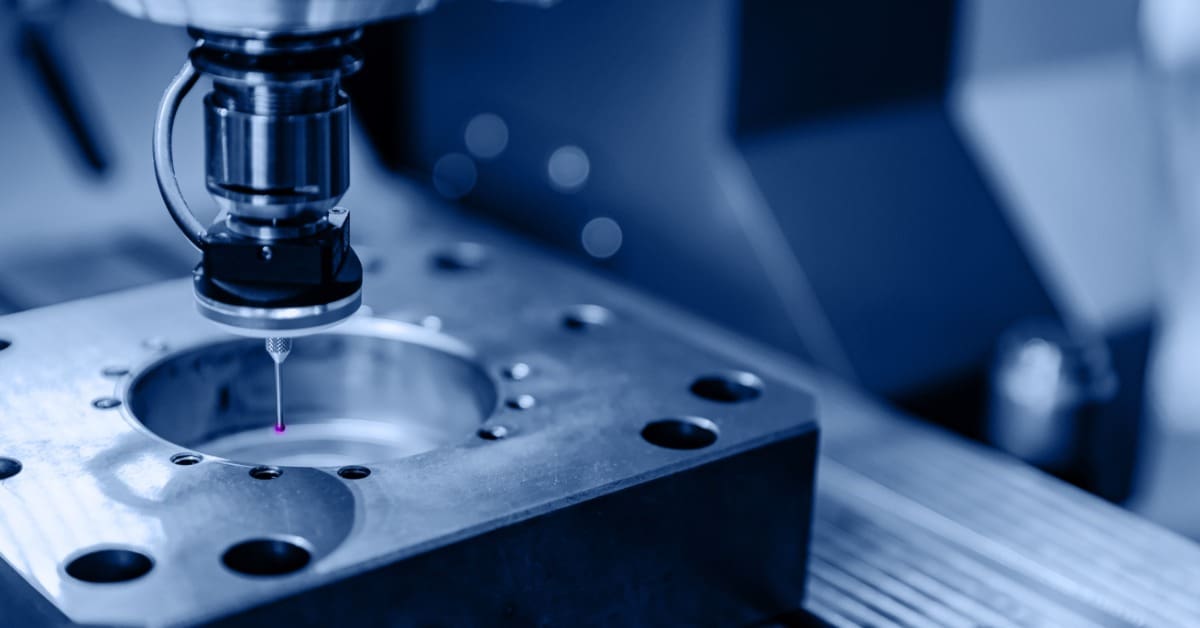
Technicians rely on coordinate measuring machines and optical systems to verify every dimension. Accurate measurements support smooth engagement between gears and reduce stress during operation.
Inspection also includes gear tooth spacing, pitch diameter, and alignment features. These details influence how gears transfer motion and load, making consistency essential for long-term reliability.
Load Testing Measures Real-World Strength
Gears operate under continuous mechanical stress, which makes load testing a necessary part of validation. Engineers simulate working conditions to evaluate how each component handles torque and pressure.
Testing reveals how materials respond to force over time. Results highlight deformation limits, heat buildup, and potential failure points. These findings guide design improvements and confirm that gears can withstand demanding applications.
Continuous-use environments place added stress on gear systems. Equipment used in processing or treatment facilities often runs without interruption, which makes reliable load performance a priority.

Wear Testing Tracks Long-Term Durability
Friction affects performance throughout a gear’s service life. Wear testing evaluates how materials respond to repeated motion and contact.
Extended cycle testing replicates real operating conditions. Engineers monitor surface wear, efficiency changes, and noise levels over time. This data helps estimate service life and supports better maintenance planning.
Wear patterns also reveal how materials behave under specific conditions. Early signs of abrasion or degradation help guide material selection and design adjustments for future production.
Common Gear Profile Defects Identified During Testing
Testing often reveals subtle issues in gear tooth geometry that impact performance over time. Even when dimensions fall within tolerance, small inconsistencies in profile shape or alignment can affect how force distributes across the gear surface.
Engineers look for irregular contact patterns that indicate problems such as misalignment, uneven tooth spacing, or profile distortion. These defects can lead to concentrated stress points, which accelerate wear and reduce efficiency during operation.
Profile testing also helps identify manufacturing variations that may not appear during basic inspection. Differences in machining conditions, tool wear, or material behavior can influence the final tooth shape. Identifying these variations early allows adjustments that improve consistency across production runs.
By addressing these issues during testing, manufacturers can improve load distribution, reduce long-term wear, and support smoother, more reliable gear performance in demanding applications.
Gear Tooth Profile And Contact Analysis
Tooth geometry plays a central role in how gears perform under load. Engineers analyze tooth profiles to confirm proper contact patterns during operation.
Testing focuses on how gear teeth engage across their full surface. Uneven contact creates localized stress, which increases wear and shortens component life. Adjustments to tooth shape or spacing improve load distribution and support smoother operation.
Accurate contact patterns also help reduce vibration and improve efficiency, which benefits systems that rely on consistent motion.
Noise And Vibration Analysis Improves Operation
Stable gear interaction reduces unwanted noise and vibration. Many applications depend on quiet operation, especially in controlled or sensitive environments.
Engineers measure vibration patterns and acoustic output during testing. Sensors identify irregularities that point to alignment issues or surface inconsistencies. Addressing these factors improves both performance and user experience.
Lower vibration levels also reduce stress on surrounding components, which supports longer system life.
Environmental Resistance Confirms Reliability
Plastic gears often operate in environments that involve chemicals, moisture, or temperature variation. Exposure testing helps confirm durability under these conditions.
Engineers subject materials to corrosive substances, temperature cycling, and high humidity. Performance under these conditions supports use in water treatment, food processing, and pharmaceutical applications.
Long-term exposure testing also reveals how materials respond to gradual environmental stress, which helps prevent performance issues over time.
Surface Finish Testing Reduces Friction
Surface quality affects efficiency and wear. Rough finishes increase resistance and place added stress on gear teeth.
Technicians measure surface roughness and evaluate friction during operation. A consistent, smooth finish supports efficient motion and reduces long-term wear, which extends component life.
Surface characteristics also influence how gears perform in low-lubrication environments, making finish quality an important factor in design.
Prototype Testing Validates Design
Engineers test prototypes before full production begins. Early evaluation allows adjustments that improve performance and reliability.
Testing includes assembly checks, motion evaluation, and simulated operating conditions. Feedback from this stage helps refine designs and align production processes with performance expectations.
Prototype validation also supports collaboration between engineering and machining teams, which leads to more consistent outcomes during full-scale production.
Process Control Maintains Consistency
Consistent results depend on disciplined process control throughout production. Teams monitor machining conditions, track measurements, and document results at each stage.
Statistical methods help identify variation and allow quick correction. Controlled production environments support repeatable quality and reduce defects across production runs.
Ongoing monitoring also creates opportunities for process improvement, which helps maintain efficiency while supporting high standards.
Why Testing Drives Performance In Plastic Gear Manufacturing
Reliable performance depends on thorough validation across every stage of production. For that reason, testing methods used by plastic gear plants remain central to producing high-quality components.
Engineers rely on these methods when developing and validating Plastic drive gears, confirming that each component performs under real operating conditions and maintains durability over time.
For projects that require precision machining and dependable performance, Miller Plastic Products Inc. offers the experience and capabilities to deliver high-quality plastic gear solutions. Reach out to our team to discuss your specifications and get started on a solution built for long-term performance.