
Choosing between injection molding and CNC plastic machining starts with the needs of the part. Production volume, design stability, lead time, and tolerance requirements can influence which process fits the project.
Injection molding often works well for repeat production with a finalized design, while CNC machining offers greater flexibility for prototypes, replacement parts, and smaller runs. The following overview of injection molding and CNC plastic machining explains how each process works and compares the factors that can guide your decision.
How Injection Molding Produces Plastic Parts
Injection molding shapes plastic by pushing heated resin into a custom metal mold. The machine melts plastic pellets, fills the mold cavity, and holds the material under pressure while it cools. Once the part solidifies, the mold opens, releasing the finished component.
The process can produce large quantities at a steady pace after the tooling reaches production.
The mold creates the largest upfront expense. Engineers must account for part geometry, material shrinkage, cooling behavior, gate placement, and flow before production starts. A major design change may require a tool modification or a new mold.
How CNC Plastic Machining Shapes Components
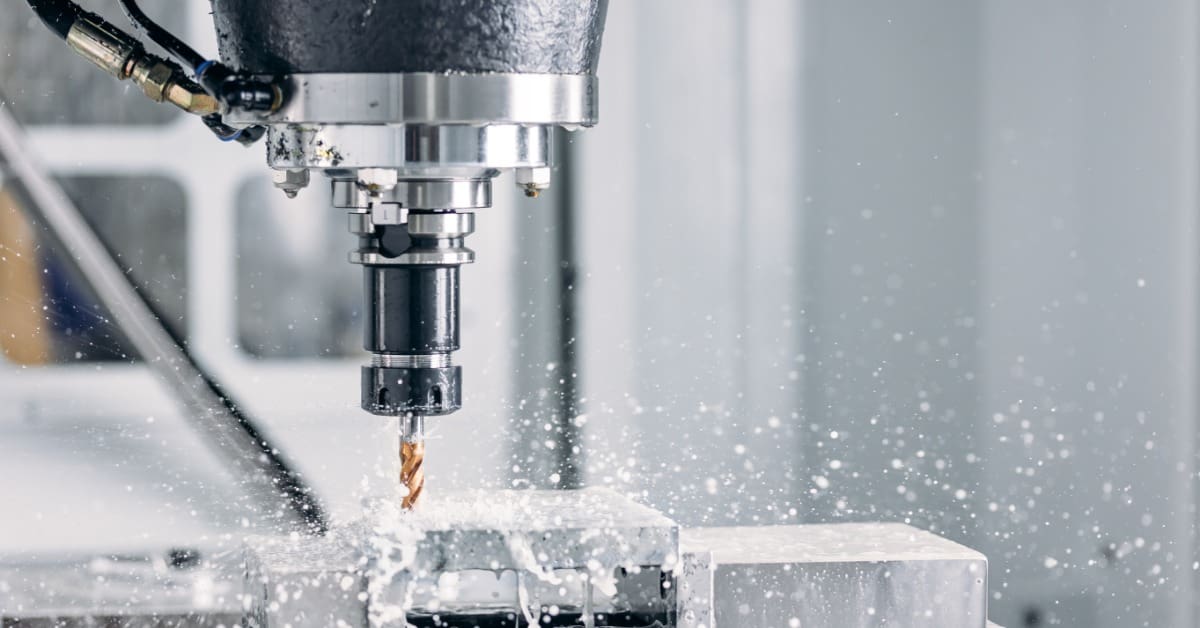
CNC plastic machining starts with solid stock in sheet, rod, tube, or block form. Computer-controlled equipment removes material through milling, routing, drilling, or turning until the component matches the programmed dimensions.
Because the process doesn’t require a custom mold, production can begin sooner. A manufacturer can review the drawing, select the material, program the machine, and prepare the setup without waiting for tooling.
CNC machining also supports easier revisions during development. When a dimension or feature changes, the programmer can often update the toolpath and machine the revised part.
Production Volume Changes the Cost Equation
Order quantity often points toward the better process. Injection molding spreads tooling costs across every part in the production run. As volume rises, the cost per component can fall.
CNC machining carries lower setup costs, yet each part still requires machine time. Larger orders may take longer because the equipment cuts every component from solid stock.
A practical comparison should consider current demand and likely future demand. A small first order may suit CNC machining, especially when the design still needs testing. A stable part with recurring high-volume orders may justify the investment in injection molding.
Tooling and Upfront Investment
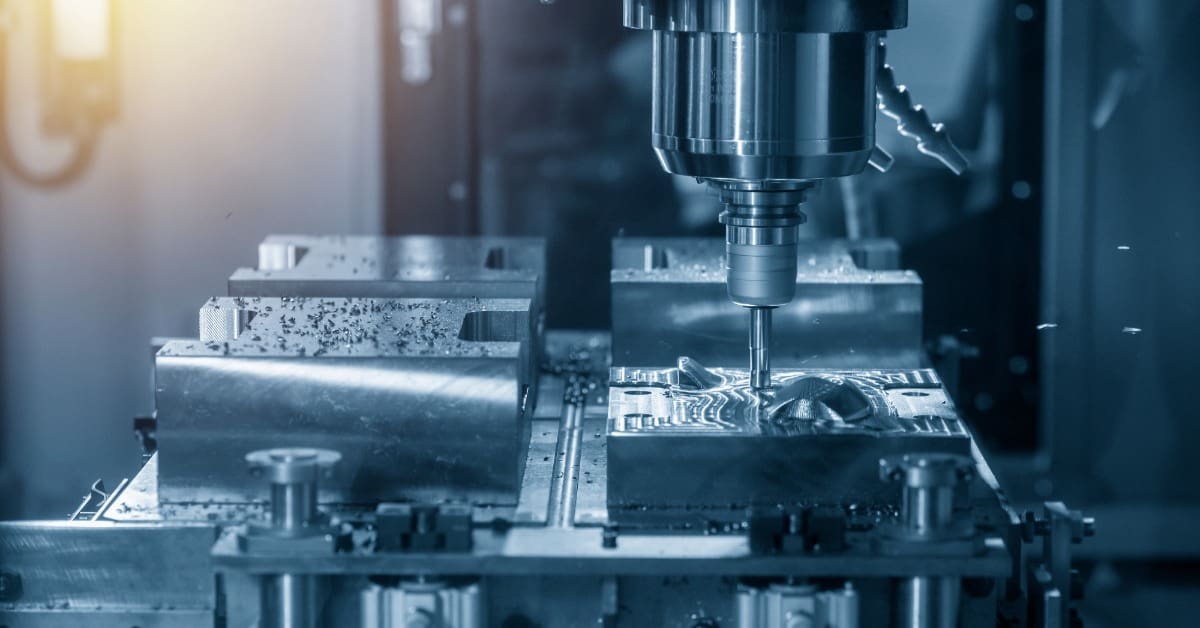
Injection molding requires a custom mold before production can begin. Tool cost depends on part size, geometry, cavity count, material, and expected service life. Testing and adjustments may add time before the mold produces approved parts.
CNC machining avoids that large tooling expense. Setup costs usually cover programming, fixtures, cutting tools, and machine preparation. Complex parts may require multiple setups, though the project can still proceed without dedicated tooling.
Consider these questions when comparing upfront costs:
- How many parts will the project need?
- How long will the design remain unchanged?
- Will future revisions affect major features?
- How quickly must production begin?
- Can the budget support mold development?
A cost review should also account for secondary work. Drilling, threading, finishing, inspection, and assembly can change the final price for either method. Looking at the full process helps teams compare realistic project costs instead of relying on the first quoted unit price for each option.
Precision, Tolerances, and Part Geometry
CNC machining gives manufacturers direct control over dimensions through programmed toolpaths. Skilled machinists can account for heat buildup, cutting pressure, and movement in certain plastics. Those adjustments support close tolerances and clean features.
Injection molding can also produce consistent dimensions across long runs. Mold quality, material shrinkage, cooling time, and process settings all influence accuracy. Once the manufacturer stabilizes the process, each cycle can produce repeatable components.
Geometry may favor one method. Machining works well for flat surfaces, threaded holes, deep bores, and parts cut from thick stock. Injection molding handles ribs, curves, snap features, and molded details that might take longer to machine.
Material Selection and Operating Conditions
Material choice should match the way the part will operate. Temperature, chemical exposure, impact, friction, moisture, and dimensional stability can narrow the available options.
CNC machining commonly uses HDPE, UHMW, acetal, nylon, polycarbonate, PVC, and PTFE. These materials come in standard stock shapes, which gives manufacturers several starting points for different designs.
Injection molding uses resins formulated for melt processing. Each resin flows and shrinks differently, which affects wall thickness, draft angles, cooling, and final dimensions.
The manufacturing process and material should support each other. A plastic with strong chemical resistance may still create problems when the design calls for thin walls or tight tolerances that the selected process can’t hold consistently.
Lead Time and Design Flexibility
CNC machining usually supports a faster start because it skips mold construction. Material availability, programming time, and machine capacity still affect the schedule, though the setup period often remains shorter.
Injection molding requires more preparation before production. Mold design, machining, testing, and approval can extend the early timeline. Once production begins, the process can produce parts quickly.
Design flexibility also differs. CNC machining allows teams to revise dimensions or features through programming changes. Injection molding may require physical changes to the tool.
Projects with ongoing development often benefit from machining first. Teams can test fit, function, and assembly before committing to a mold.
Comparing the Best Fit for Each Process
A clear comparison of injection molding and CNC plastic machining aligns each method with the part's requirements. Injection molding often suits stable designs, large quantities, and repeat production. CNC machining often fits prototypes, low volumes, replacement components, and projects likely to undergo revisions.
The choice also depends on tolerance requirements, material behavior, lead time, and available budget. One factor rarely tells the whole story. A lower unit price may entail higher tooling costs, while a faster start may entail a higher cost per part.
Many custom plastic manufacturing projects begin with a review of drawings, operating conditions, and expected quantities. That review helps identify process limits before they affect cost, fit, or long-term performance.
Choosing a Process With Confidence
The right process should support the part from the first production run through its expected service life. Injection molding offers speed and repeatability for high-volume work, while CNC machining gives teams flexibility when designs may change, or quantities remain limited.
Miller Plastic Products can review your drawings, material requirements, and operating conditions to help determine whether CNC plastic machining is a good fit for your application. Contact our team to discuss your project and the production path that supports your goals.