
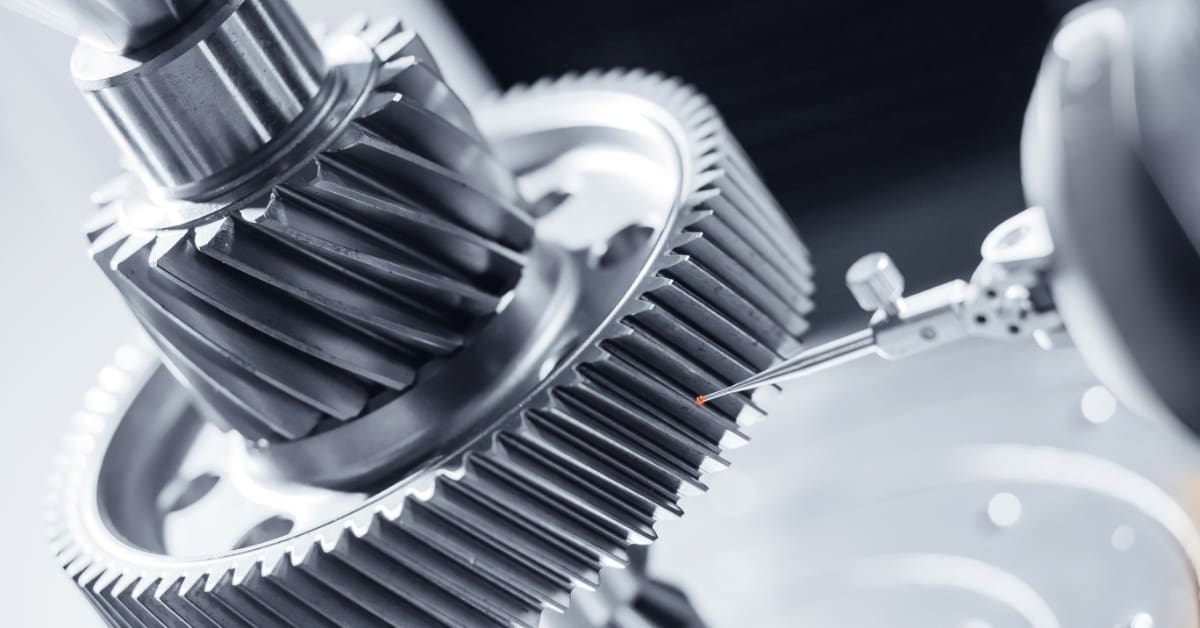
When a gear wears out, replacing it solves the immediate problem. If friction, corrosion, or another operating condition caused the wear, the same problem can return with the new part.
Choosing a different gear material can help break that maintenance cycle. Understanding how plastic gears can minimize equipment maintenance needs can help you address recurring wear while maintaining the fit and performance your equipment requires.
Plastic gears offer several advantages when the material matches the application. Lower friction, corrosion resistance, and reduced lubrication needs can all affect how often a gear needs attention.
Understanding these differences can help you find the source of recurring maintenance and choose a replacement that addresses it.
Reduce Wear Between Gear Teeth
Gear teeth make repeated contact every time equipment runs. Friction between those surfaces creates wear that can change the tooth profile and affect how the gears mesh.
Many engineering plastics have low-friction properties that reduce resistance between mating surfaces. Reducing that resistance can limit wear and help gears move smoothly during operation.
Load and speed also affect gear performance. Choosing a plastic that can handle these operating demands helps the replacement perform as intended.
Cut Down on Lubrication Requirements
Lubrication adds another task to routine gear maintenance. Depending on the equipment, maintenance personnel may need to inspect the gear and reapply grease or oil at scheduled intervals.
Some engineering plastics have self-lubricating properties. When the application supports their use, these materials can reduce the amount of external lubrication a gear needs.
Less lubrication means fewer service tasks related to grease or oil. It can also reduce lubricant buildup around nearby equipment.
Prevent Rust From Creating Repeat Problems
Water and corrosive chemicals can shorten the service life of metal gears that lack resistance to those conditions. As corrosion changes the gear surface, it can interfere with tooth contact and eventually require another replacement.
Plastic doesn’t rust. Many engineering plastics also resist specific chemicals found around industrial equipment.
The chemicals around your equipment will affect which material makes sense. Identifying that exposure before machining a gear helps match the plastic to its working environment.
Maintain the Proper Gear Fit
A replacement gear has to work with the equipment you already have. Its bore and tooth geometry affect how the gear mounts and engages with the mating component.
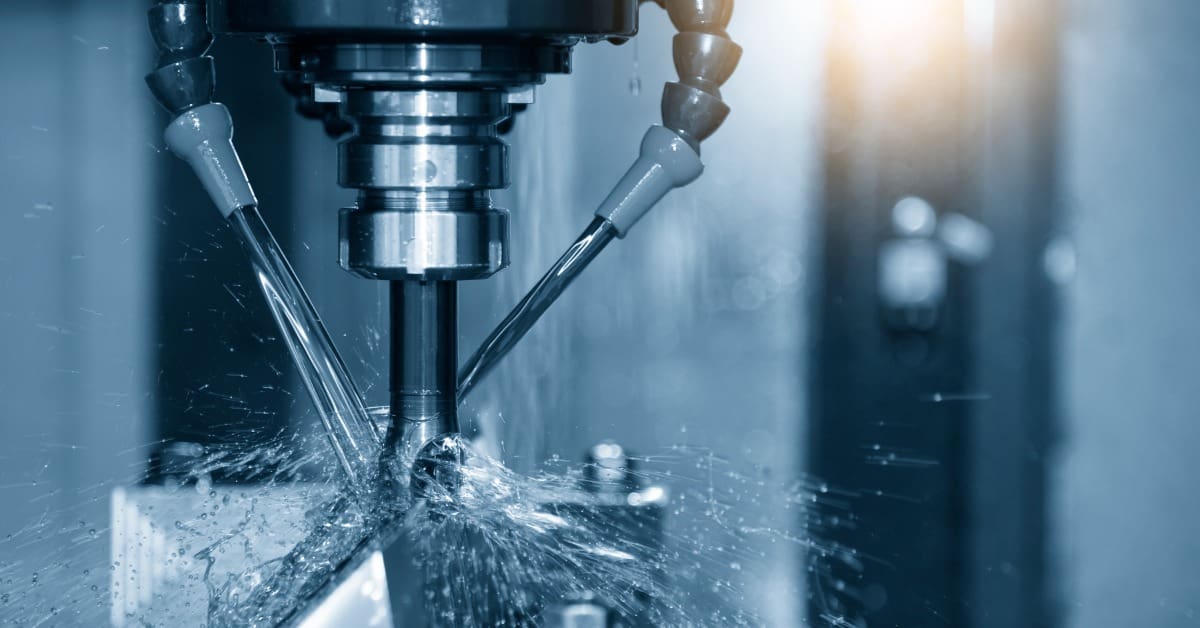
Accurate machining helps maintain the dimensions needed for proper gear contact. Poor gear mesh can cause uneven wear and shorten the replacement's life.
Plastic machining also requires an understanding of how the material reacts during production. Different plastics respond differently to cutting forces and machining heat, which can influence the finished dimensions.
Replace Gears You Can’t Find Off the Shelf
Finding a replacement gets harder when equipment uses an older or uncommon gear. The original manufacturer may have discontinued the part, or available stock gears may not match the existing assembly.
Custom replacement plastic gears can keep that equipment in service without requiring you to redesign the surrounding components. If you have a drawing or CAD model, we can use that information to reproduce the gear. When the original documentation isn’t available, an existing or broken gear can provide a starting point.
Miller Plastic Products can reverse engineer gears from broken samples or incomplete part definitions. We can use the information from the existing component to reproduce the dimensions and geometry your equipment requires.
What Do You Need to Replace an Existing Gear?
You don’t always need the original blueprint to start a replacement project. Send us the information you have, and we can determine what we need to move forward.
Useful information may include:
- An existing or broken gear
- A part drawing or CAD model
- Operating load and speed
- Working temperature
- Exposure to water or chemicals
When the original part information is limited, our measurement capabilities can help capture the existing geometry. We use 3D CMM and laser scanning capabilities for reverse engineering and comparing parts with CAD data.
Reduce Noise During Operation
Metal gear contact can create considerable operating noise. Plastic gears generally run more quietly because the material dampens vibration and reduces contact noise.
Lower noise can make equipment more comfortable to work around. It may also make an unusual clicking or grinding sound easier to hear during regular operation.
A change in sound can alert maintenance personnel to inspect the assembly before wear progresses. Material strength and gear dimensions still need to match the application.
Account for Temperature and Moisture
Temperature and moisture can affect the dimensions of some plastics. Even a small dimensional change matters when gear teeth need to maintain proper contact during operation.
The operating environment should guide material selection from the start. A plastic that works well in one application may respond differently when exposed to higher temperatures or moisture.
Accounting for these conditions before machining helps us select a material that suits the gear and establish the dimensions the finished component needs.
Find Out Why the Original Gear Failed
A worn gear can tell you more than which component needs replacement. Its condition may also point to the reason you keep dealing with the same maintenance problem.
Corrosion can indicate that the existing material doesn’t match the operating environment. Excessive tooth wear may point to friction or poor gear engagement. Identifying the source gives you useful information before you replace the part again.
Instead of putting the same type of gear back into the same conditions, you can choose a material that better addresses the root cause.
Reduce Recurring Maintenance With the Right Gear
To see how plastic gears can reduce maintenance needs, start by understanding what caused the existing gear to require service. Low-friction plastic can reduce wear, while corrosion-resistant materials can be a better option when moisture or chemicals affect the gear.
The replacement must also fit the equipment. Accurate machining and appropriate material selection can help you address recurring gear problems while keeping the surrounding assembly in service.
Miller Plastic Products machines custom plastic gears from drawings, existing components, or broken gear samples. If you need to replace a hard-to-find gear or address recurring wear, contact us to discuss your equipment and replacement requirements.