
Industrial gears have to keep equipment moving without adding unnecessary strain to the surrounding system. Material choice plays a major role in that balance. When an application allows for plastic rather than metal, reducing gear weight can support smoother operation while addressing concerns such as corrosion or excess noise.
For engineers and maintenance teams, understanding the benefits lightweight gears bring to industrial equipment can make material decisions easier. The best choice still depends on load requirements and operating conditions, which makes it worth looking at where lightweight plastic gears provide the greatest value.
Why Gear Weight Matters
Every rotating gear adds weight to a mechanical system. As mass grows, the drive must move more weight during startup, shutdown, or speed adjustments.
Choosing a lightweight plastic gear decreases rotational mass relative to a metal one of similar size. This reduction is advantageous in applications with frequent motion changes, which can strain motors or nearby parts.
However, weight alone shouldn’t determine the choice. Engineers must also consider operating temperature and the force the gear must withstand.
What Engineers Should Weigh Alongside Mass
Gear weight can influence how a system responds, but it's one part of the material decision. Engineers also need to consider operating temperature and the force the gear must handle before choosing plastic over metal. That broader review helps match the gear material to the way the equipment runs.
Lightweight Gears Can Support Faster Motion Changes
Some industrial machines periodically change their direction or speed during operation. In these systems, heavier rotating components generate increased inertia, which the drive system must manage effectively. To facilitate these adjustments, reducing gear mass can be advantageous, making it easier for the equipment to respond quickly. Plastic gears are often suitable when designers aim to limit rotational weight without compromising the necessary dimensions for assembly.
However, the plastic material must also meet the mechanical demands of the application; a lighter part provides little benefit if it cannot withstand the specified loads, such as torque and stress, over time. Proper material selection ensures durability and performance under operational conditions.
Plastic Can Help Reduce Gear Noise
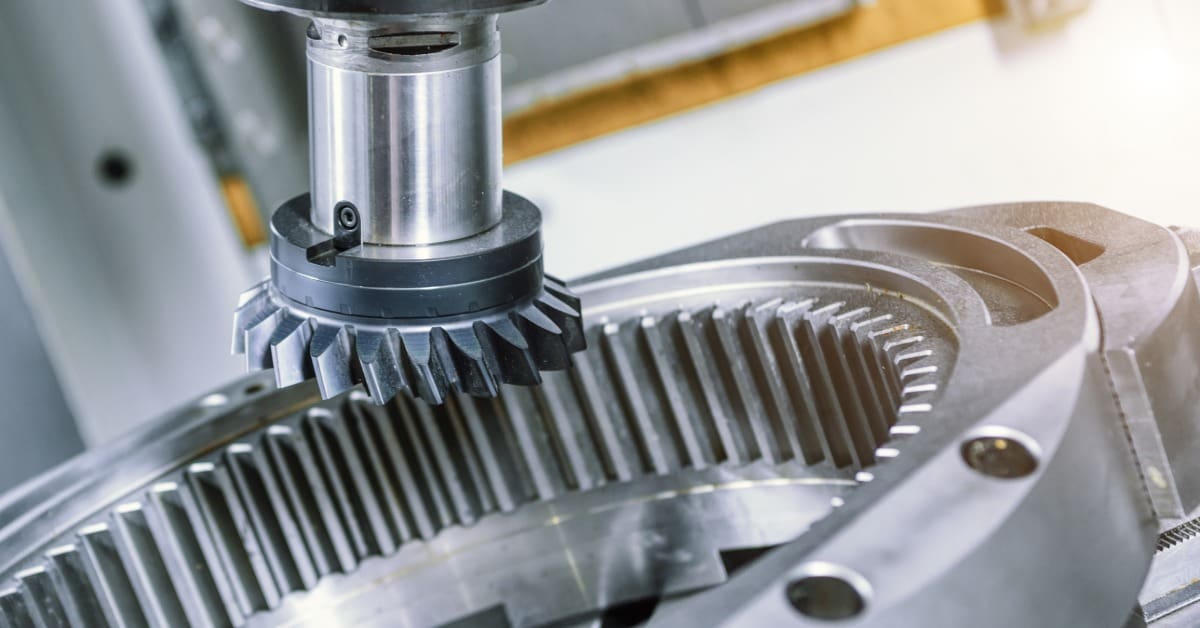
Metal gears can transfer vibration through adjoining equipment as their teeth engage. Certain engineering plastics absorb more vibration, which can help reduce operating noise in suitable applications.
That difference may matter for machinery that runs near employees or in production areas where several machines operate at once. Less gear noise can also make unusual mechanical sounds easier for maintenance teams to notice.
Noise reduction varies by gear design and material. Engineers should treat it as one consideration within the broader operating requirements.
Where Do Lightweight Plastic Gears Fit?
Plastic gears can make sense when a machine needs lower component weight without the strength demands associated with heavily loaded metal gearing.
Engineers may consider them for applications that involve:
- Frequent starts or changes in rotational speed
- Exposure to moisture or corrosive chemicals
- Equipment where lower operating noise matters
- Replacement parts that require custom dimensions
These conditions give engineers a useful starting point when comparing plastic gear materials with metal alternatives.
Corrosion Resistance Expands Material Options
Corrosion can shorten the service life of metal components when machinery operates around water or aggressive chemicals. Many engineering plastics resist corrosion without relying on coatings or other surface treatments.
For facilities that work with chemical processing or water treatment equipment, that property can make plastic gears worth evaluating. Material compatibility still matters because different plastics respond differently to heat and chemical exposure.
Choosing a resin based on the actual environment helps prevent a lightweight design from creating another performance concern elsewhere in the machine.
Material Choice Still Drives Performance
Plastic gears don’t come from a single type of material. Manufacturers can machine gears from engineering plastics with different strength characteristics and resistance properties.
For example, materials such as nylon, acetal, or PEEK may suit different operating conditions. The correct selection depends on what the gear needs to withstand during service.
Working with an experienced plastic gear manufacturer can help teams match the material and gear dimensions to the equipment rather than forcing a standard component into an application where it doesn’t belong.
Plastic Gears Can Accommodate Specialized Designs
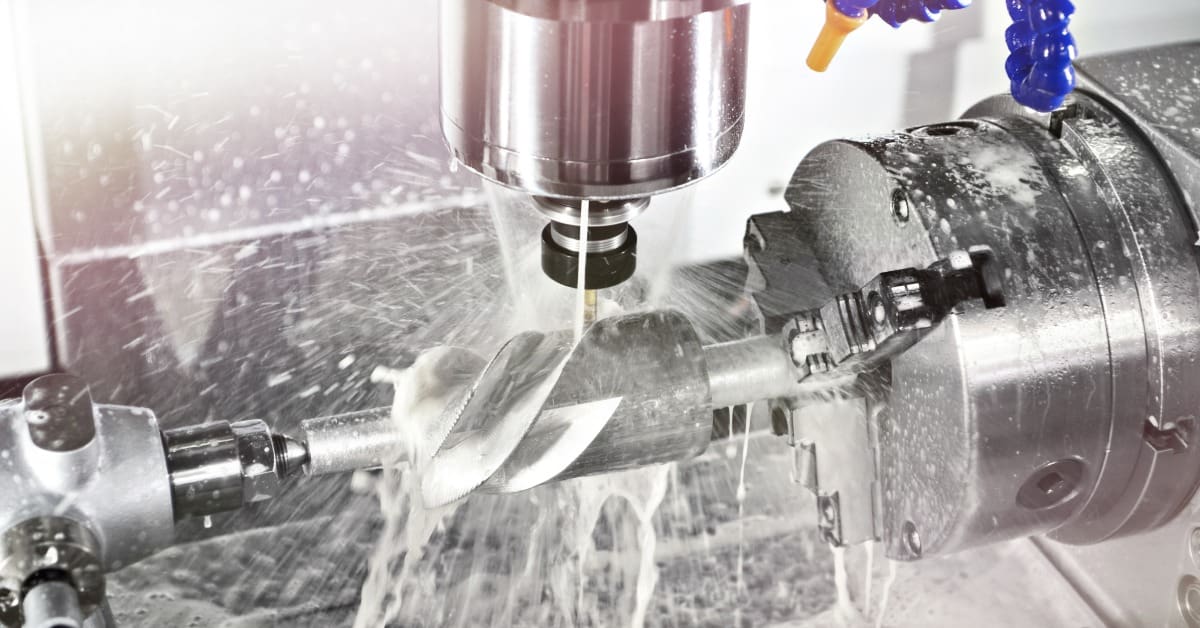
Industrial equipment doesn’t always leave room for a standard gear configuration. Custom-machined plastic gears can accommodate application-specific dimensions when equipment requires a particular tooth profile, bore size, or overall geometry.
Machining also gives manufacturers more control over the finished component when standard catalog parts don’t match the design. Depending on the application, engineers may need to account for:
- Tooth profile and gear geometry
- Bore size and shaft fit
- Available space within the assembly
- Material behavior under operating conditions
Reviewing these details early can help teams match the gear design to the surrounding equipment. It also gives manufacturers clearer specifications when producing a custom component.
Custom Gears Can Keep Existing Equipment Running
Industrial machinery often remains operational for many years, which can lead to challenges in sourcing replacement components as they become rarer over time. A worn gear, for instance, doesn’t necessarily warrant replacing an entire larger assembly, especially if only a single part is damaged.
Custom plastic machining offers maintenance teams an alternative solution when the original component has become obsolete or is difficult to procure. By utilizing existing gears or available engineering drawings, manufacturers can reproduce a compatible part that meets the specific requirements of the equipment.
This capability is particularly valuable for older machines and specialized systems where standard catalog gears may not match the precise dimensions needed, ensuring continued operation without the need for costly or time-consuming alternative solutions.
When Lightweight Gears Make Sense
The benefits of using lightweight gears in industrial equipment stand out when lower mass supports the way a machine operates. Plastic gears can reduce rotating weight while offering corrosion resistance or quieter engagement in appropriate applications.
They won’t fit every system. Heavy loads or elevated operating temperatures may point toward another material, which makes application review an important part of the decision.
Miller Plastic Products machines custom plastic gears for industrial equipment and replacement applications. If an existing gear no longer performs as needed or a standard replacement doesn’t fit, contact Miller Plastic Products to discuss the part requirements and available material options.