Plastic parts originate from a need, a sketch, or a production issue that can’t wait for slow development. Engineers, plant managers, and purchasing teams require parts that fit, perform, and withstand tough conditions. They also need a process to catch design issues early.
That’s why the rise of rapid prototyping in plastic fabrication matters for industrial teams. It gives buyers a faster path from concept to test part, while still supporting the accuracy and material knowledge that custom plastic work requires.
Rapid prototyping doesn’t replace skilled fabrication. It gives fabricators and customers a better way to refine dimensions, confirm performance needs, and reduce uncertainty before production begins.
What Rapid Prototyping Means for Plastic Fabrication
Rapid prototyping creates a physical model or early-use part before full production, using plastic fabrication methods such as 3-D printing, CNC machining, forming, welding, or a mix of methods depending on the project.
A prototype can help a team check fit, shape, clearance, material behavior, or installation concerns. It can also help stakeholders understand a part before they approve a larger order.
For industrial applications, that matters because a drawing alone doesn’t always reveal how a part will work in the field. A prototype gives the team something they can handle, measure, and test.
Why Industrial Buyers Want Faster Prototypes
Many facilities can’t afford long delays when a worn plastic part, tank component, guard, spacer, or custom fixture affects production. A faster prototype helps teams move from discussion to decision with fewer rounds of uncertainty.
Speed matters, yet accuracy still leads the process. Rapid prototyping works best when a fabricator understands plastic materials, machining limits, tolerances, and the part’s working environment.
Industrial buyers often use prototypes to answer questions like:
- Will the part fit the existing equipment?
- Does the design need a thicker wall or different radius?
- Can the material handle chemicals, moisture, heat, or wear?
- Will the part install without field modification?
- Does the design support repeat production?
These questions help teams reduce risk before committing to a finished part or a larger run.
How Prototyping Supports Better Material Choices
Plastic material selection can shape a project’s long-term success. Different plastics respond differently to chemicals, temperature, friction, impact, and cleaning demands. A prototype can help customers compare design options before they choose a final material.
For example, a part used near chemicals may need a material with strong chemical resistance. A wear component may require low friction or improved abrasion resistance. A clear guard may call for acrylic or polycarbonate, depending on impact requirements and visibility needs.
A knowledgeable fabricator can help match the design to the environment. That guidance helps customers avoid choosing a plastic based only on cost or availability.
Where 3-D Printing Fits Into the Process
3-D printing gives plastic fabrication teams a flexible way to create early models, test shapes, and speed up design reviews. It can help customers see how a part will look and function before moving into machining or fabrication.
That said, 3-D printing doesn’t suit every finished application. Some parts still need CNC machining, welding, bending, or other fabrication methods to meet performance requirements. The value comes from using the right process at the right stage.
A printed prototype may help confirm a shape. A machined prototype may help validate tighter tolerances. A fabricated prototype may help test an assembly or tank component before production.
The Role of Drawings and Design Support
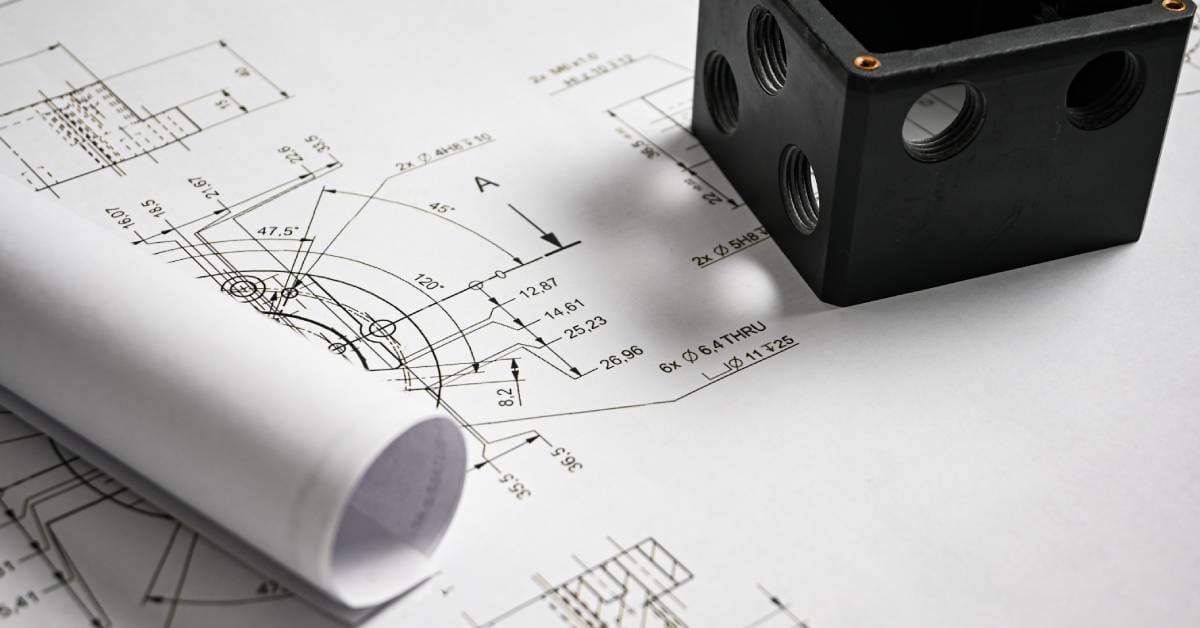
Customers often ask whether they need a blueprint or drawing before starting a custom plastic project. A detailed drawing helps, yet many projects begin with a sample part, rough sketch, field measurements, or a clear description of the problem.
Rapid prototyping can bridge that gap. Fabricators can use design software, measurements, and customer input to create a working model before final fabrication.
This helps teams spot issues early, such as:
- Hole locations that don’t match existing equipment
- Edges that need smoothing for safety or cleanability
- Dimensions that need adjustment for assembly
- Material thickness that needs revision
- Features that may raise fabrication costs
A prototype provides the customer and fabricator with a shared reference point, making revisions easier to discuss.
Why Tolerances Still Matter
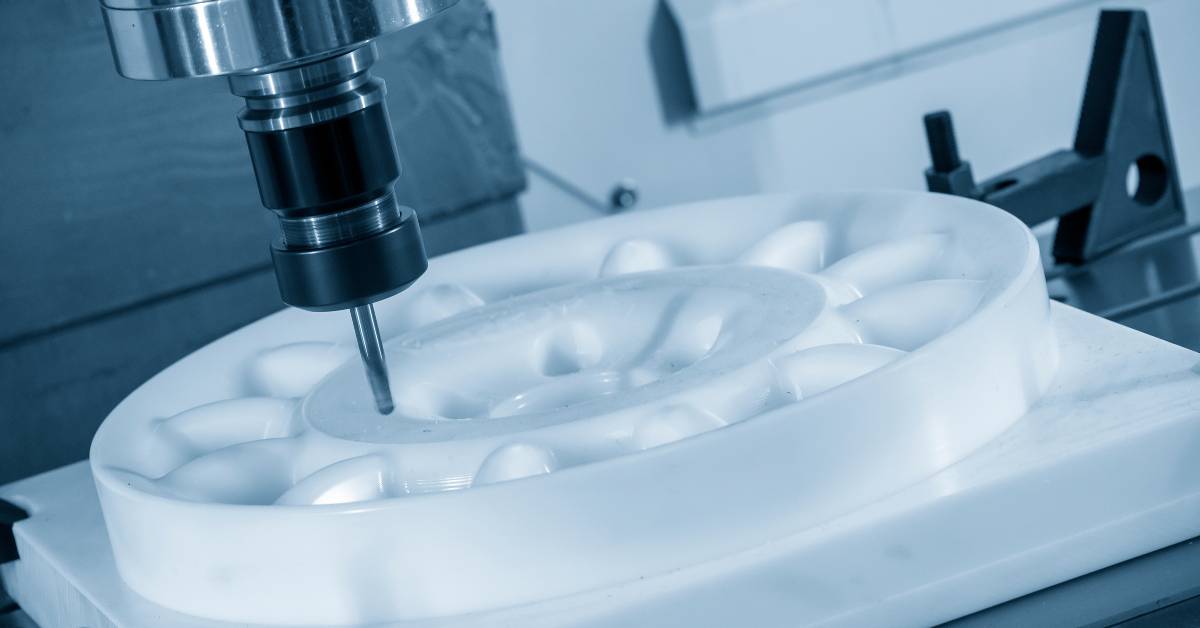
Fast turnaround doesn’t mean loose standards. Plastic parts still need proper tolerances, smooth edges, clean welds, and careful finishing. Industrial customers rely on these details because small inaccuracies can lead to larger problems during installation or use.
A custom plastic manufacturer with machining and fabrication experience can guide tolerance decisions based on the material and application. Some plastics expand, flex, or machine differently than metals, so the design needs room for real-world behavior.
Rapid prototyping helps customers see how tolerances affect fit and function before final production. It also helps fabricators recommend changes that support performance without overcomplicating the part.
How Prototyping Can Reduce Waste and Rework
Rework costs time, money, and production attention. When a finished part doesn’t match the application, the team may need another round of measurements, another material order, or another production slot.
A prototype helps reduce those issues by giving everyone a chance to review the design sooner. That review can reveal a small change that prevents a larger issue later.
For example, a customer may realize a mounting slot needs extra clearance. A fabricator may suggest a smoother edge for cleanability. An engineer may request a different material once the prototype shows how the part will sit near equipment.
Small adjustments during the prototype stage usually cost less than changes after full production.
When Rapid Prototyping Makes the Most Sense
Rapid prototyping can help many industrial plastic projects, but it offers the most value when the part has a custom shape, a tight fit, or a demanding service environment.
It often makes sense for:
- Replacement parts without current drawings
- Components that need fit testing
- Tank accessories or fabricated assemblies
- Guards, spacers, fixtures, and covers
- Parts exposed to chemicals or moisture
- Projects that may move into repeat production
A prototype also helps when several people need to approve a design. Physical parts can make decisions faster because each stakeholder can see the same details.
Moving From Prototype to Production
A strong prototype should lead naturally into production. Once the team approves the design, the fabricator can use the final dimensions, material choice, and production notes to create the finished part or repeat run.
That transition works best when the same team supports both prototyping and fabrication. It keeps design intent clear and reduces the chance of miscommunication between development and production.
For customers, that means fewer handoffs and a smoother path from first model to finished component.
Rapid Prototyping Gives Plastic Projects a Smarter Start
The rise of rapid prototyping in plastic fabrication gives industrial teams a better way to test ideas, refine parts, and make confident production decisions. It helps customers move faster without overlooking material performance, tolerances, or fabrication quality.
If your team needs help turning a part concept, drawing, or replacement need into a finished plastic component, Miller Plastic Products can help you move the project forward with clear direction and skilled fabrication support.