Polypropylene (PP), marked by resin code #5, is a durable plastic found in everything from yogurt tubs to automotive components. While widely recyclable, keeping this material out of landfills requires more than just tossing it in a bin. Proper preparation is essential to prevent contamination and ensure the plastic can be effectively repurposed.
This quick guide outlines the technical requirements for recycling polypropylene containers to ensure high-quality material recovery and support a sustainable circular economy.
Identify Resin Code #5
Sorting begins with identification. Plastic manufacturers stamp a resin identification code on their products, usually at the bottom of the container. Look for the number 5 inside the chasing arrows symbol. Sometimes, the letters "PP" appear below the triangle.
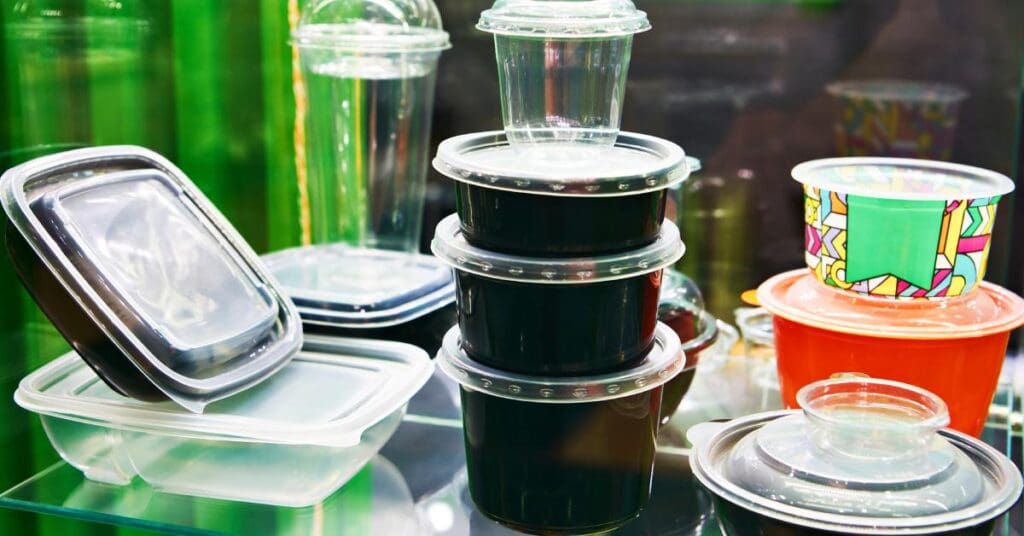
Everyday household items made from polypropylene include:
- Yogurt cups and tubs
- Butter and margarine containers
- Syrup and ketchup bottles
- Medicine bottles
- Takeout containers
Industrial applications often utilize polypropylene for its chemical resistance. If you manage waste for a manufacturing facility or a laboratory, you might encounter larger PP components. Always verify the resin code before placing any item in a recycling bin. Assuming a plastic type based on appearance alone leads to contamination.
Empty Contents Thoroughly
To process plastics effectively, material recovery facilities (MRFs) require clean materials. Any leftover food, liquids, or chemicals will contaminate the plastic bales. This reduces their market value and increases the risk of mold or pest infestations.
Remove all solid waste first; a spatula can help with thick products like yogurt. For industrial containers, completely drain all liquids. Containers that hold hazardous materials need special handling and are usually not part of standard recycling. If a PP container held toxic substances, consult your local hazardous waste guidelines.
Rinse To Remove Residue
A quick rinse removes visible residue from most food containers; they do not need to be scrubbed to a perfect finish. For containers holding oils or sticky substances, use warm, soapy water and a firm shake to dislodge grease and stubborn product effectively.
In industrial settings, rinsing protocols might differ. A hydroponics tank or similar large reservoir made from polypropylene requires thorough cleaning to prevent cross-contamination in the recycling batch. Always adhere to facility-specific protocols for cleaning industrial plastics before disposal.
Dry Before Binning
Moisture creates problems in the recycling process. Wet items can make paper and cardboard in the same bin soggy and unrecyclable. Excess water also increases the load weight, reducing fuel efficiency for haulers.
Shake out excess water, then let the containers air-dry on a rack. If you stack wet containers, they might trap moisture and develop mold. Place them in the bin only when they feel dry to the touch.
Handle Caps and Lids
The guidance on caps and lids has evolved. Many recycling programs now request that you keep the caps on plastic bottles. Modern sorting technology can handle the different plastic types found in bottles and caps.
- Bottles: Crush the bottle to release air, then screw the cap back on tight. This prevents the small cap from falling through the sorting screens and getting lost as trash.
- Tubs: Snap-on lids for yogurt or butter tubs usually consist of the same #5 plastic as the container. Check the lid for a resin code. If it matches, you can often leave it on. If the lid lacks a code or consists of a different material, separate it.
Check your local municipality's rules. Some facilities still require cap removal. When in doubt, check the specific regulations for your area to avoid errors.
Remove Pumps and Nozzles
Dispensing pumps and spray nozzles often contain metal springs or multiple plastic types fused. These complex assemblies hamper the recycling process.
Unscrew the pump or spray mechanism from the bottle. Discard the pump in the trash. The bottle itself, once rinsed and dried, goes into the recycling bin. This separation step prevents metal components from damaging downstream plastic grinding machinery.
Leave Labels On
Most recycling facilities process plastics through a wash bath that removes labels and adhesives. You generally do not need to peel off paper or plastic labels from your PP containers.
However, if a shrink sleeve covers the entire bottle, removing it helps the optical sorters identify the underlying resin. These full-body sleeves can confuse the sensors, causing the PP bottle to be misclassified into the wrong pile. If the sleeve has a perforation, tear it off and discard it before recycling the bottle.
Avoid Black Plastic
Optical sorting machines use near-infrared (NIR) light to identify plastic types. Carbon black pigment, often used to color plastic food trays and takeout containers, absorbs this light. Consequently, the machine "sees" nothing and sorts the black plastic as waste.
Unless your local program explicitly states that it accepts black plastic, dispose of black PP containers in the trash. Putting them in the recycling bin increases the volume of residue the facility must pay to haul away.
Keep Items Loose
Bagging recyclables creates major problems at sorting facilities. Plastic bags jam the sorting equipment, causing shutdowns for manual removal. This poses risks to workers and reduces efficiency, wasting both time and money.
Avoid bundling recyclables in trash bags. If you use a bag to collect items at home, empty it directly into the cart, then either reuse the bag or dispose of it separately.
Check Local Program Rules
Recycling capabilities vary widely by region. While #5 plastic acceptance has grown, not every community collects it curbside. Some programs only accept bottles and jugs, excluding tubs and trays.
Visit your local waste management website or call their office. They provide the most accurate information for your specific area. Following national guidelines helps, but local rules ultimately determine acceptance.
Flatten When Possible
Space in recycling trucks is valuable. Flattening bulky containers, such as milk jugs or large water bottles, helps maximize the space.
- Step on it: Place the bottle on the ground and step on it to flatten.
- Crush it: Use your hands to squeeze the air out.
Always replace the cap after flattening to keep the container compressed. This step allows haulers to collect more material per trip, improving the efficiency of the collection route.
Industrial PP Recycling
Manufacturing facilities generate significant amounts of polypropylene waste. This post-industrial scrap often holds high value because it is clean and uniform.
- Segregation: Keep PP scrap separate from other polymers like polyethylene (PE) or PVC.
- Volume: Baling or grinding scrap on-site can increase its value and reduce transport costs.
- Partnerships: Work with a specialized industrial recycler who can handle specific forms of PP waste, such as off-cuts, purgings, or damaged parts.
Creative Reuse Options
Before sending a container to the recycling bin, consider reuse. Polypropylene's durability makes it excellent for storage.
- Shop Organization: Use yogurt tubs to sort screws, nails, and washers.
- Paint Storage: Small PP containers work well for storing leftover touch-up paint.
- Garden Starters: Punch holes in the bottom of cups to use as seedling pots.
Reuse extends the product's life and delays the energy-intensive recycling process.
Partner with Miller Plastics
Understanding recycling tips for polypropylene containers empowers you to contribute to a sustainable waste management system. Proper preparation involves more than just tossing an item in a bin. It requires attention to detail: rinsing, drying, and checking local rules. These small actions accumulate to create a significant impact on the quality of reclaimed materials.
High-quality fabrication requires precision and expertise. Miller Plastics delivers custom solutions for all your industrial needs, from tank fabrication to complex machining. If you need a custom plastic tank or specialized part, reach out to us. We build durability into every project.